








What's Happening?
Kazakhstan is aiming to complete its first and second nuclear power plants by 2035, as announced by Minister of Energy Erlan Akkenzhenov on November 4, 2026. This ambitious nuclear energy program seeks to bolster electricity security and meet the nation's
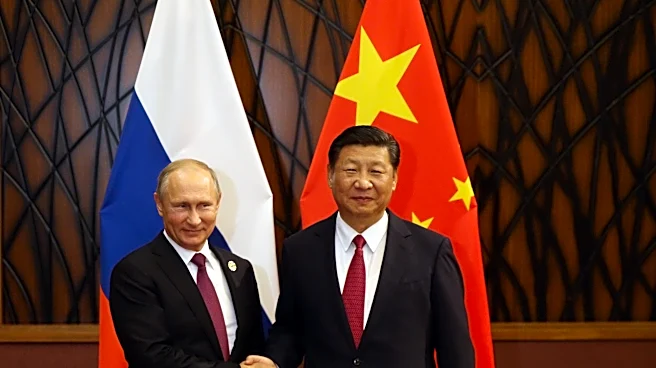
growing power demands. The first project, the Balkhash nuclear power plant, is being developed with a Russian-led consortium headed by Rosatom. A contract for its design, supply, and construction was signed in September 2026. The plant is expected to feature two VVER-1200 Generation III+ reactors with a combined capacity of approximately 2,400 MW, with construction slated to begin in 2027. For the second facility, the Moyinkum nuclear power plant, Kazakhstan is in negotiations with China National Nuclear Corporation (CNNC). These international partnerships underscore Kazakhstan's strategy to diversify its energy sources and reduce reliance on aging conventional power infrastructure.
Why It's Important?
Kazakhstan's push for nuclear power is a significant step towards enhancing its energy independence and addressing increasing electricity demand driven by industrial development and urbanization. As the world's leading uranium producer, establishing domestic nuclear power generation allows Kazakhstan to leverage its natural resources for internal energy needs, moving beyond its role as solely a uranium supplier. This initiative could also stimulate substantial investment in engineering, nuclear construction, and specialist manufacturing, fostering economic growth and job creation within the country. The involvement of both Russian and Chinese nuclear companies highlights the geopolitical competition and cooperation in the global nuclear energy market, offering Kazakhstan diverse technological options and strategic partnerships. Successfully implementing this program by 2035 would mark a major milestone for Kazakhstan, transforming its energy landscape and potentially influencing regional energy security.
What's Next?
Kazakhstan will proceed with the construction of the Balkhash nuclear power plant, with the first reactor expected to be operational by the mid-2030s. Negotiations with CNNC for the Moyinkum plant will continue, focusing on agreement terms, technical parameters, and construction timelines. The government has also established the Agency for Atomic Energy to oversee these projects, centralizing the management of its nuclear power development. Additionally, Kazakhstan plans to create a strategic uranium reserve by the end of 2027 to ensure fuel security for its planned nuclear facilities. The success of these projects will depend on effective project management, regulatory oversight, and the development of domestic expertise and human resources in the nuclear sector. The 2035 target will require sustained effort and international collaboration.
Beyond the Headlines
Kazakhstan's nuclear ambitions extend beyond merely generating electricity; they represent a strategic move to elevate its geopolitical standing and economic diversification. By becoming a nuclear power generator, Kazakhstan can enhance its influence in Central Asia and potentially become a model for other uranium-rich nations seeking to develop their own nuclear energy programs. The choice of partners—Russia and China—also reflects Kazakhstan's balancing act in its foreign policy, engaging with major global powers while maintaining its sovereignty. This development could also lead to a transfer of advanced nuclear technology and expertise, fostering a highly skilled workforce and research capabilities within Kazakhstan. The long-term implications include a reduced carbon footprint for its energy sector, contributing to global climate goals, and a more stable and predictable energy supply for its growing economy.