








What's Happening?
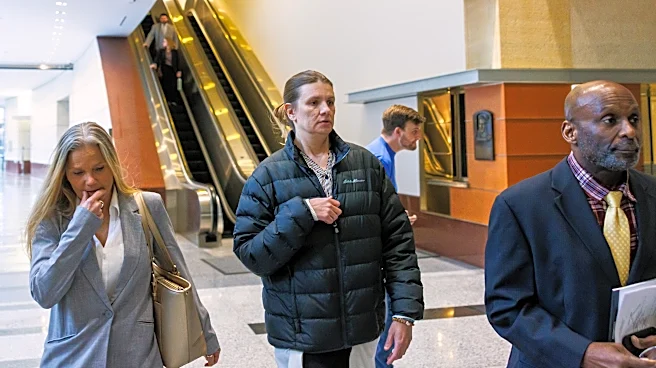
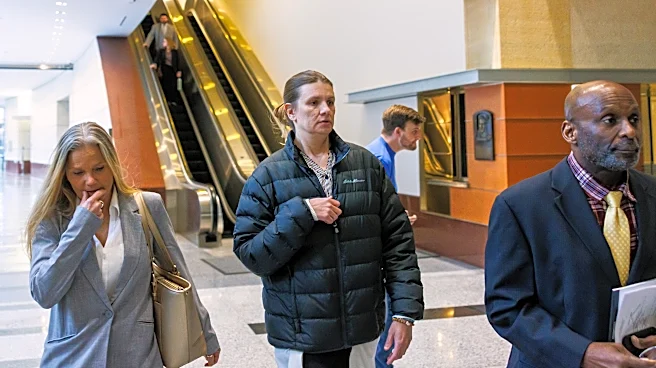
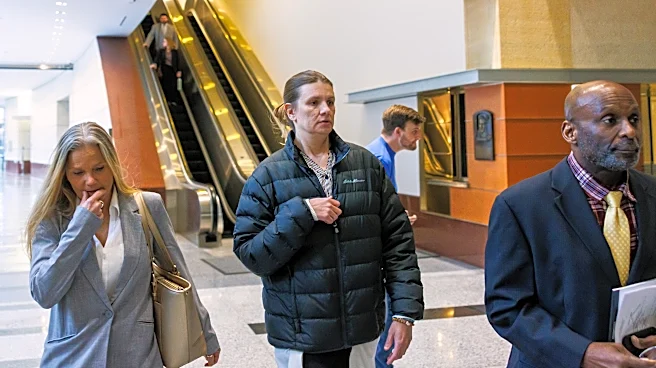
Aimee Bock, the leader of the Minnesota nonprofit Feeding Our Future, has been sentenced to over 41 years in prison for her role in a $250 million COVID-19 relief fraud scheme. The scheme involved falsely claiming to have served 91 million meals to children,
thereby fraudulently obtaining federal funds. Bock, along with her co-defendant Salim Ahmed Said, was found guilty of multiple charges, including conspiracy and wire fraud. The funds, intended for child nutrition, were instead used for personal luxuries. The case is one of the largest pandemic-related frauds in the U.S., with numerous individuals charged and convicted.
Why It's Important?
This case highlights significant vulnerabilities in the distribution of federal relief funds during emergencies. The exploitation of the child nutrition program not only deprived children of necessary meals but also misused taxpayer money. The severe sentence serves as a warning to others and emphasizes the need for stringent oversight of federal programs. The scandal has also had political ramifications, affecting local governance and public trust in nonprofit organizations. It underscores the necessity for reforms in how emergency funds are allocated and monitored to prevent future abuses.
What's Next?
In the aftermath of this case, there may be calls for legislative and regulatory changes to enhance the oversight of federal relief programs. Lawmakers might propose new measures to ensure transparency and accountability in the distribution of funds. The case could also lead to further investigations into other organizations that received pandemic relief, potentially uncovering additional fraud. Public and political pressure may drive reforms aimed at preventing similar incidents in the future.