









What's Happening?
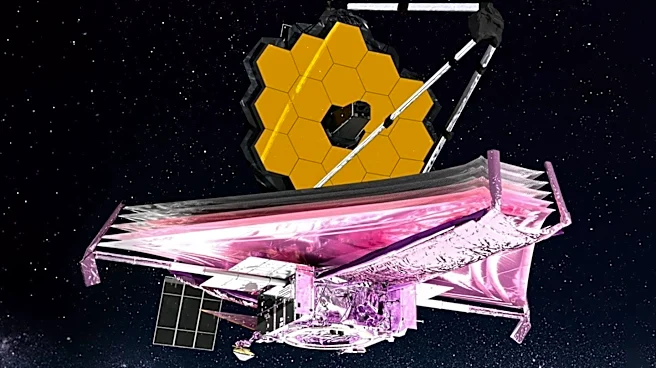
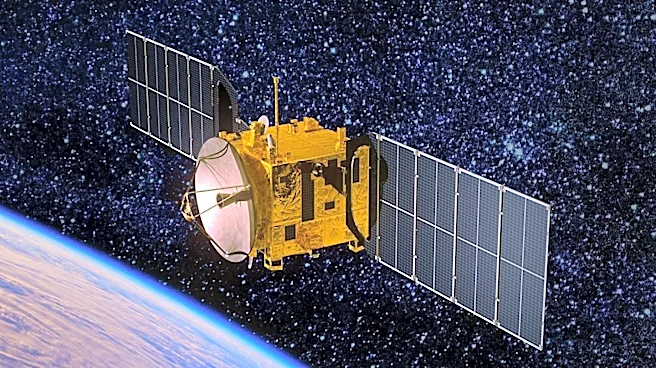
NASA is set to launch a groundbreaking mission to save the Neil Gehrels Swift Observatory, which has been observing the sky for nearly 22 years. The observatory, initially expected to last only two years, has exceeded expectations but is now at risk due
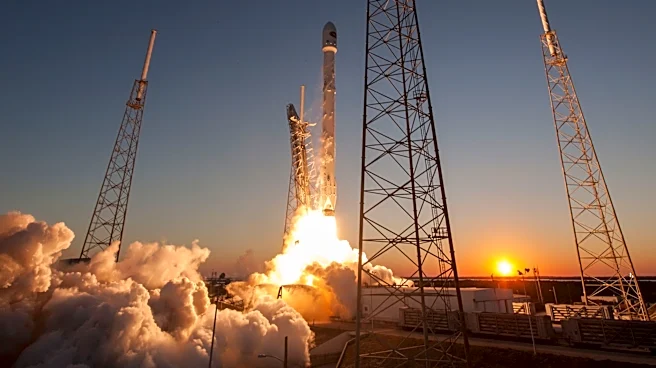
to its declining orbit. Increased solar activity has expanded Earth's atmosphere, causing additional drag on the satellite, which has fallen from 363 miles to 225 miles above the Earth's surface. NASA fears it could fall out of orbit within months. To address this, a robotic spacecraft named LINK, developed by Katalyst Space Technologies, will attempt to boost the satellite's orbit. The mission, launching aboard Northrop Grumman's Pegasus XL rocket, aims to extend the observatory's operational life into the 2030s.
Why It's Important?
This mission is significant as it represents a potential shift in how space agencies manage aging satellites. If successful, it will be the first time a research satellite has been robotically seized and repositioned into a higher orbit. This could pave the way for future robotic missions to extend the life of other satellites, reducing the need for costly crewed missions. The Swift Observatory is crucial for its ability to quickly collect and transmit data on gamma-ray bursts, providing valuable insights into the universe. Its continued operation is vital for ongoing astrophysical research, and the mission's success could have broad implications for satellite maintenance and space exploration strategies.
What's Next?
Following the launch, LINK will spend several weeks in orbit to ensure its systems are functioning correctly before approaching the Swift Observatory. The process of lifting the satellite into a higher orbit is expected to take a few months. If successful, Swift's scientific operations, paused since February, could resume by fall. The mission's outcome will be closely watched by the scientific community, as it could influence future satellite maintenance and boost missions. The success of this mission could lead to more robotic interventions for other aging satellites, potentially transforming satellite management practices.