






What's Happening?
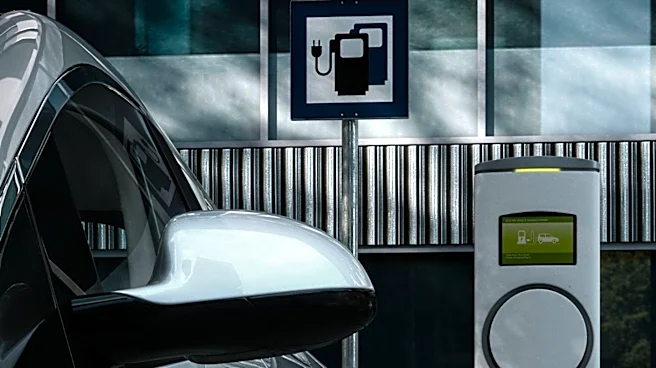
In Australia, a series of incidents involving the destruction of electric vehicle (EV) charging stations has been reported. These acts of vandalism are primarily driven by the theft of copper wires used in the charging cables. As the demand for EVs increases,
so does the necessity for charging infrastructure, making these stations a target for theft. The police and industry stakeholders are on high alert, working to enhance security measures to prevent further incidents. Recently, a man was charged with property damage and theft after vandalizing 11 charging stations, with stolen cables and tools recovered. This type of crime is becoming more frequent across the region, prompting a need for increased vigilance and protective measures.
Why It's Important?
The rise in copper theft from EV charging stations poses significant challenges for the burgeoning electric vehicle industry. As the world shifts towards sustainable energy solutions, the reliability and availability of charging infrastructure are crucial. These thefts not only disrupt service but also increase maintenance costs and deter potential EV buyers due to perceived infrastructure instability. The incidents highlight the need for improved security protocols and possibly redesigning charging stations to minimize theft opportunities. This situation underscores the broader implications for the EV market, potentially slowing down the adoption rate if not addressed promptly.
What's Next?
In response to these thefts, authorities and industry leaders are likely to implement enhanced security measures at charging stations. This could include installing surveillance cameras, using alternative materials less attractive to thieves, or redesigning the stations to make copper less accessible. Additionally, there may be increased collaboration between law enforcement and the EV industry to develop strategies that deter such crimes. As the demand for EVs continues to grow, ensuring the security and reliability of charging infrastructure will be a priority to maintain consumer confidence and support the transition to electric mobility.