








What's Happening?
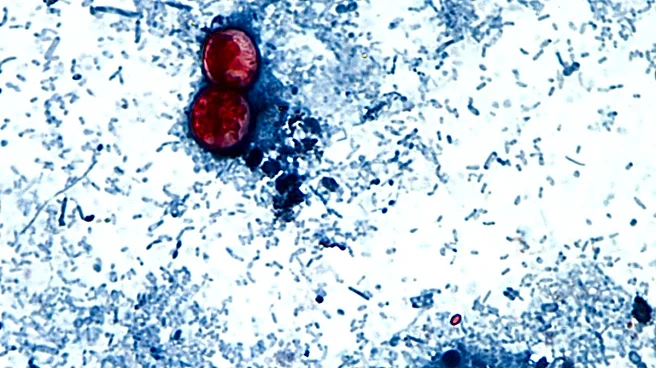
Health officials in San Diego County have confirmed the first locally acquired case of Chagas disease, also known as 'kissing bug' disease. This case was identified through routine blood donation screening, where the donor showed no symptoms. Chagas disease is caused
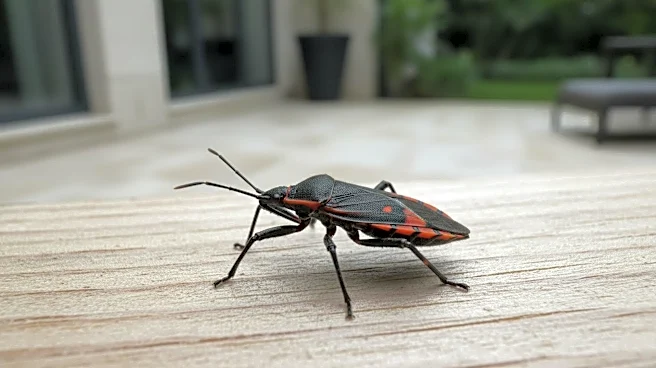
by the parasite Trypanosoma cruzi, transmitted by triatomine insects, commonly referred to as kissing bugs. These insects can become carriers after feeding on an infected animal or person, spreading the parasite through their feces. In San Diego, the local species of kissing bugs typically reside in rodent nests, posing a risk during outdoor activities like camping. The county made Chagas disease a reportable condition in 2024 to enhance tracking and awareness. Since then, 22 reports have been received, with four confirmed cases, including the first locally acquired one. Researchers suggest that Chagas disease may be more prevalent in the U.S. than previously thought, with human cases reported in eight states.
Why It's Important?
The confirmation of a locally acquired Chagas disease case in San Diego County highlights the potential for this parasitic infection to become more common in the United States. This development underscores the need for increased awareness and preventive measures among residents and healthcare providers. Chagas disease can lead to severe complications affecting the heart and digestive system if left untreated, making early detection and education crucial. The presence of the disease in the U.S. also raises questions about the adequacy of current public health tracking systems, as Chagas is not federally classified as a nationally notifiable condition. This could lead to underreporting and a lack of comprehensive data on its prevalence. The situation calls for enhanced public health strategies to prevent the spread of the disease and protect vulnerable populations, particularly those engaging in outdoor activities or living in areas where kissing bugs are found.
What's Next?
San Diego County officials are likely to continue monitoring and reporting Chagas disease cases to better understand its local prevalence. Public health campaigns may be intensified to educate residents about the risks and preventive measures, such as using insect repellent and wearing protective clothing during outdoor activities. Healthcare providers might receive additional training to recognize and manage Chagas disease, especially in areas where kissing bugs are present. Researchers may also push for Chagas disease to be classified as a nationally notifiable condition, which would improve tracking and resource allocation for managing the disease. Additionally, further studies could be conducted to assess the distribution of kissing bugs and the potential for Chagas disease to become endemic in other parts of the U.S.