




What's Happening?
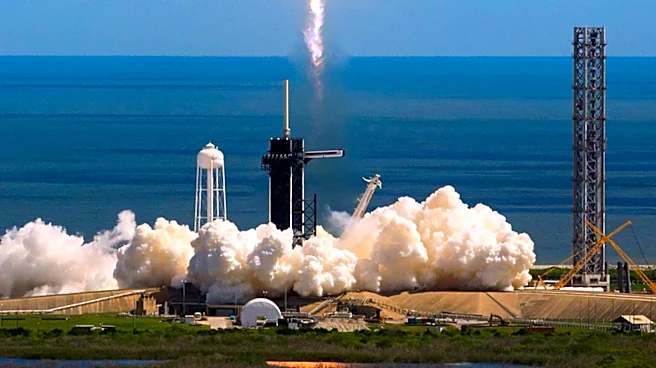
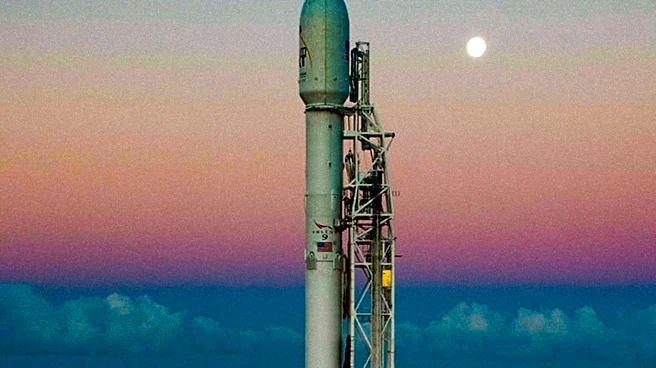
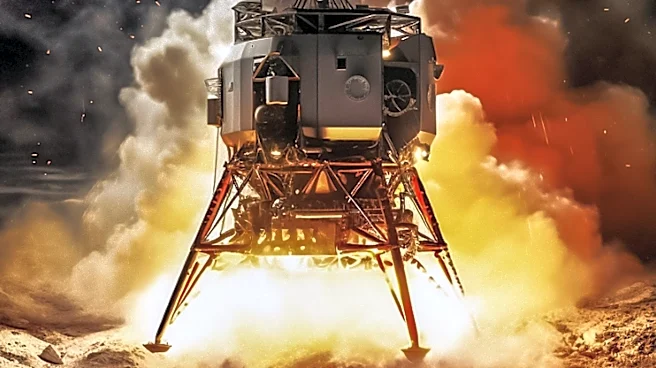
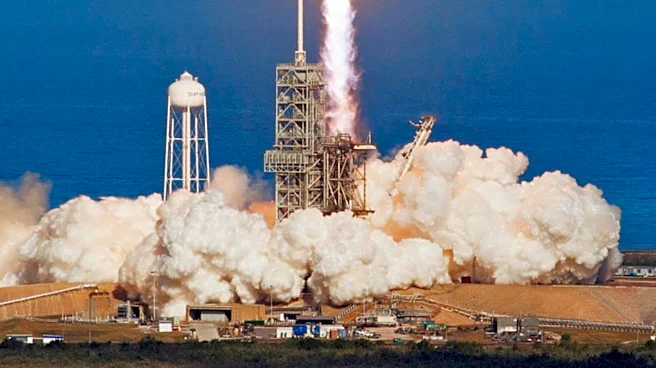
A SpaceX Falcon 9 rocket stage has unintentionally impacted the Moon, creating a new crater and offering scientists a rare opportunity to study lunar impacts. The upper stage, launched on January 15, 2025, was part of a mission carrying Firefly Aerospace's
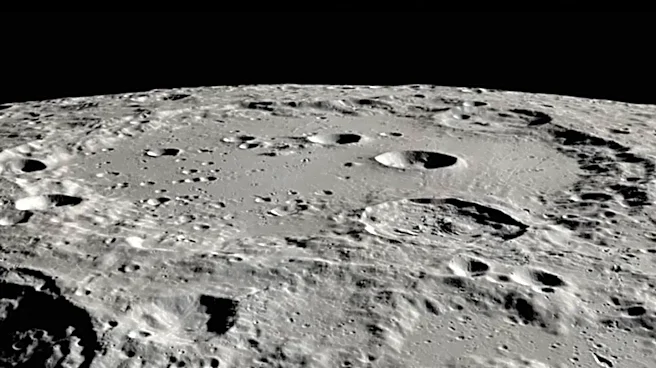
Blue Ghost-1 and ispace's Resilience lander. The Korea Aerospace Research Institute observed the impact, which occurred at a speed of nearly 5,400 mph. The collision left a visible dust plume and altered terrain, providing valuable data for researchers studying lunar geology and the effects of artificial impacts.
Why It's Important?
The impact highlights the challenges of managing space debris and the potential risks associated with uncontrolled objects in space. It underscores the need for effective strategies to mitigate space debris and ensure the safety of future lunar missions. The data gathered from this impact could enhance understanding of lunar interactions and inform future missions. It also emphasizes the importance of collaboration between government agencies and private companies like SpaceX to ensure safe and sustainable space exploration practices.
What's Next?
Researchers will analyze the data collected from the impact to gain insights into lunar geology and the effects of artificial impacts. This could lead to improved strategies for managing space debris and enhancing the safety of future lunar missions. The event may also prompt discussions on international regulations for space debris disposal, particularly as lunar exploration activities increase.