


What's Happening?
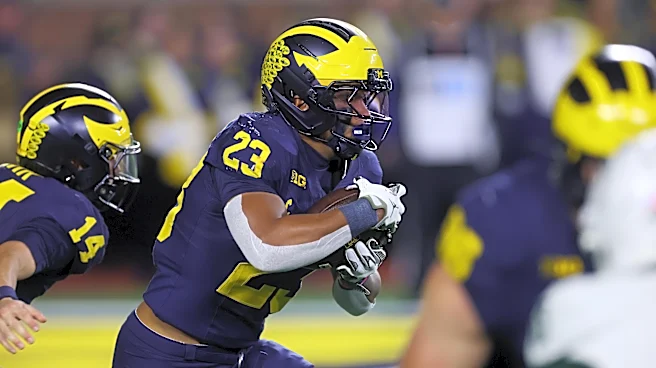
Ann Arbor Fire Chief Mike Kennedy reported that the Ann Arbor Fire Department responded to nearly 100 calls for service during this year's Michigan vs. Michigan State football game day. This high volume of calls indicates a significant increase in emergency
and service needs associated with the large crowds and activities surrounding the major sporting event. The department's response efforts were detailed by Chief Kennedy in an interview with WWJ's Miranda Richardson. The specific nature of the calls was not elaborated upon in the provided source, but the sheer number suggests a busy and demanding day for the city's emergency services.
Why It's Important?
The high volume of calls handled by the Ann Arbor Fire Department during the Michigan vs. Michigan State game day, as reported by Chief Mike Kennedy, underscores the significant strain that large-scale public events can place on municipal emergency services. This situation highlights the critical need for robust planning, adequate staffing, and efficient resource allocation to ensure public safety during such gatherings. The increased demand for services, which likely includes medical emergencies, minor incidents, and potentially more serious situations, can stretch departmental resources thin. This event serves as a case study for urban planning and emergency management, demonstrating the importance of anticipating and preparing for the logistical challenges associated with major sporting events, which attract tens of thousands of people to a concentrated area. The ability of the fire department to manage nearly 100 calls reflects on the preparedness and resilience of Ann Arbor's emergency response system.
What's Next?
Following such a high-volume event, the Ann Arbor Fire Department, under Chief Mike Kennedy's leadership, will likely conduct a post-event review to analyze the types of calls received, response times, and overall operational effectiveness. This assessment will be crucial for identifying areas for improvement in future event planning and resource deployment. The department may consider adjustments to staffing levels, equipment allocation, or coordination protocols with other emergency services for upcoming large events. Furthermore, city officials might explore strategies to mitigate potential risks associated with large crowds, such as enhanced public awareness campaigns or stricter regulations on certain activities. The experience from this game day will inform future preparedness efforts to ensure the safety and well-being of residents and visitors during similar high-attendance events.
Beyond the Headlines
The incident in Ann Arbor during the Michigan vs. Michigan State game day reveals deeper implications about urban infrastructure and community resilience. Beyond the immediate emergency response, the sheer volume of calls points to the broader societal impacts of large public gatherings, including potential increases in public health incidents, minor accidents, and behavioral issues. This situation prompts questions about the balance between economic benefits derived from major events and the costs associated with increased demands on public services. It also highlights the often-unseen work of first responders and the critical role they play in maintaining order and safety in bustling urban environments. The ability of a city to effectively manage such surges in demand is a testament to its overall preparedness and the strength of its public service infrastructure, offering valuable lessons for other cities hosting similar events.