


What's Happening?
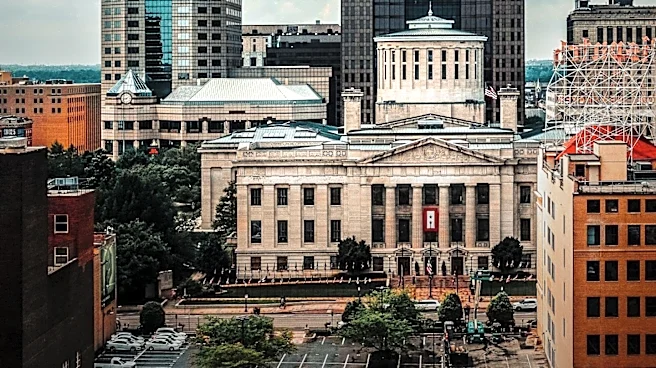
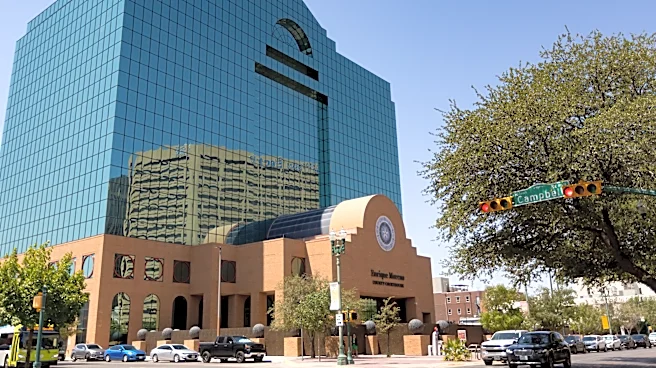
Constituents in Ohio are voicing strong criticism against U.S. Representative Mike Carey for his vote in favor of the Republican 'One Big Beautiful Bill Act,' which has led to significant cuts in federal programs. Protests were held outside Carey's Columbus
office, organized by groups like the Center for Popular Democracy, Progress Grove City, Parents United for Public Schools, and the Ohio Organizing Campaign. These groups are demanding that Representative Carey prioritize people over tax cuts for billionaires and other expenditures. The 'One Big Beautiful Bill Act' has resulted in the largest cuts to food stamps in history, with over 100,000 Ohioans, including more than 50,000 children, losing their Supplemental Nutrition Assistance Program (SNAP) benefits. Additionally, Medicaid work requirements within the act could cause 356,000 Ohioans to lose healthcare coverage, and $40.4 million in special education funding is at risk in Ohio's 15th Congressional District.
Why It's Important?
The cuts to SNAP, Medicaid, and education funding in Ohio, stemming from the 'One Big Beautiful Bill Act,' have significant implications for the state's most vulnerable populations. The reduction in SNAP benefits directly impacts food security for thousands of families and children, potentially leading to increased malnutrition and related health issues. The proposed Medicaid work requirements threaten healthcare access for hundreds of thousands of Ohioans, which could result in a decline in public health and increased financial burdens on individuals and local healthcare systems. Furthermore, the risk to special education funding could severely impact children with disabilities, limiting their access to crucial services and therapies necessary for their development and integration into society. These cuts highlight a broader national debate on social safety nets, government spending priorities, and the balance between fiscal conservatism and public welfare, with direct consequences for the quality of life and opportunities available to Ohio residents.
What's Next?
The ongoing protests and criticisms against Representative Carey indicate a sustained effort by constituents and advocacy groups to reverse or mitigate the effects of the 'One Big Beautiful Bill Act.' This public outcry could influence future legislative decisions or prompt a re-evaluation of the act's provisions. The issue is likely to remain a prominent topic in local and national political discourse, especially leading up to the November election where Carey will face Democratic candidate Don Leonard. Leonard has already expressed his opposition to the cuts, framing the debate around providing opportunities for children. The outcome of this election could serve as a referendum on the public's acceptance of these policy changes. Furthermore, the long-term impacts of reduced access to food, healthcare, and education will continue to unfold, potentially leading to increased demand for local social services and non-profit aid.
Beyond the Headlines
The controversy surrounding the 'One Big Beautiful Bill Act' and its impact on Ohio reveals deeper societal tensions regarding economic policy and social responsibility. The act, which Representative Carey stated offers 'momentous tax relief' and helps people 'live the American Dream,' is perceived by critics as prioritizing tax cuts for the wealthy over essential services for the needy. This disparity in perception highlights a fundamental ideological divide in U.S. politics concerning who benefits from economic policies and who bears the cost. The stories of families struggling to provide basic nutrition and healthcare for their children underscore the human element behind legislative decisions, bringing into focus the ethical considerations of government actions. The debate also touches upon the role of public education and support for individuals with disabilities, questioning the extent to which society is obligated to ensure equitable opportunities for all its members.