






What's Happening?
The Central Electricity Authority (CEA) has released an updated Manual on Transmission Planning Criteria for 2026, aiming to enhance India's power sector infrastructure. This revised framework addresses the increasing electricity demand, the growing integration
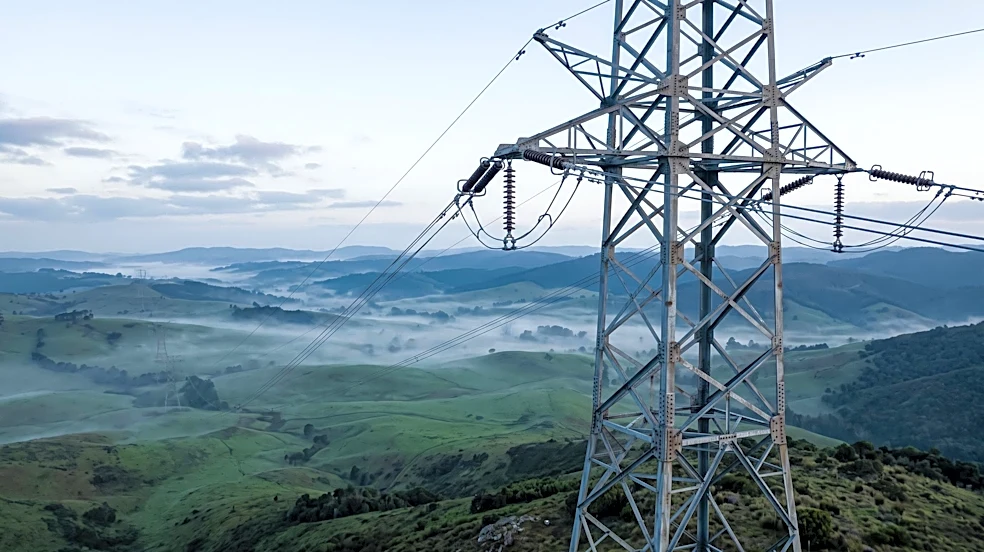
of renewable energy sources, and the need for long-distance electricity transmission. The manual provides technical guidelines to develop a reliable, resilient, and efficient national power grid capable of supporting India's evolving energy requirements. It reflects a significant shift from a system based on regional self-sufficiency to a unified synchronous national grid, emphasizing coordinated planning and efficient power transfers between regions. Key provisions include planning criteria for 1150 kV Ultra High Voltage Alternating Current (UHVAC) transmission systems to support high-capacity corridors and address Right-of-Way constraints. The framework also incorporates standard system models and technical parameters for emerging power technologies such as Voltage Source Converter-based High Voltage Direct Current (VSC-HVDC) systems, wind farms, solar power plants, Battery Energy Storage Systems (BESS), and Static Synchronous Compensators (STATCOMs). This inclusion aims to improve the accuracy of technical studies and support the planning of transmission networks that can accommodate a diverse electricity generation mix.
Why It's Important?
This updated manual is crucial for India's energy future, as it lays the groundwork for a more robust and adaptable national power grid. By integrating advanced technologies and planning for higher voltage transmission, India can more effectively manage its rapidly increasing electricity demand and the ambitious expansion of renewable energy projects. The emphasis on coordinated planning among various agencies and the use of tools like the PM GatiShakti National Master Plan portal will streamline infrastructure development, reduce environmental impacts, and optimize resource utilization. The inclusion of explicit planning margins and contingency planning criteria ensures that the grid can withstand disruptions and maintain stability under various operating scenarios, thereby enhancing overall reliability. This proactive approach to transmission planning is vital for India's economic growth and its transition towards a sustainable energy system, as a reliable power supply is fundamental for industrial development, urban expansion, and improving the quality of life for its citizens. The framework's ability to reduce network congestion and improve resource utilization will have significant economic benefits, preventing power outages and supporting continuous industrial operations.
What's Next?
The implementation of the 2026 manual will require close coordination among the CEA, Central Transmission Utility of India Limited (CTUIL), State Transmission Utilities (STUs), and grid operators. Structured implementation timelines and the use of advanced simulation tools are expected to facilitate more efficient project planning and execution. Transmission planners will be required to undertake detailed technical assessments covering load flow, short circuit levels, system stability, and Total Transfer Capability (TTC), considering various scenarios including high renewable energy penetration and seasonal demand variations. The framework is designed to guide utilities and regulators in planning future transmission capacity, ensuring that infrastructure development keeps pace with the country's long-term electricity requirements. This will involve ongoing investment in new transmission lines and the modernization of existing infrastructure, with a focus on balancing investment costs, operational risks, and reliability requirements. The success of this updated framework will depend on the effective collaboration of all stakeholders to ensure a seamless transition and continuous improvement of India's power grid.
Beyond the Headlines
Beyond the immediate technical and operational improvements, the updated transmission planning criteria signify a broader strategic shift in India's energy policy. It underscores the nation's commitment to integrating a higher proportion of renewable energy into its grid, which has profound implications for climate change mitigation and energy independence. The move towards UHVAC systems and the incorporation of advanced power technologies reflect a forward-thinking approach to infrastructure development, positioning India as a leader in adopting smart grid solutions. This framework also highlights the complex interplay between energy policy, economic development, and environmental sustainability. By optimizing land use for transmission corridors and minimizing environmental impacts, the CEA is addressing critical challenges associated with large-scale infrastructure projects. The long-term success of this initiative could serve as a model for other developing nations facing similar energy and environmental pressures, demonstrating how strategic planning and technological adoption can create a resilient and sustainable energy future.