






What's Happening?
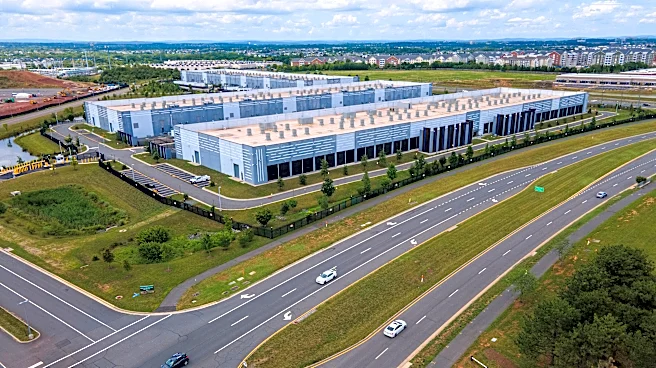
The State of Michigan is implementing stringent standards for data center development to ensure responsible growth and protect the environment and residents. Data centers, which are physical facilities storing, processing, and transmitting digital information
for various services including AI, are subject to state regulations concerning electricity costs, water usage, environmental impacts, and infrastructure needs. Governor Whitmer has introduced the Michigan Affordability and Responsible Growth Pledge, which requires companies to invest in the electric grid, utilize clean energy, prioritize local hiring, safeguard natural resources, operate transparently, and bear the full cost of construction, operation, and service. This pledge aims to prevent Michigan residents from incurring any costs associated with data center development. State agencies regulate aspects such as electric service, water withdrawals, air emissions, wastewater, wetlands, and construction, while local governments maintain authority over land use and community impact.
Why It's Important?
This initiative is important for Michigan and potentially serves as a model for other U.S. states grappling with the rapid expansion of data centers. Data centers are energy-intensive and can have significant environmental footprints, particularly concerning water and electricity consumption. By establishing strict regulatory frameworks and requiring companies to sign a pledge, Michigan is proactively addressing potential negative impacts, ensuring that economic development in the tech sector aligns with environmental sustainability and community well-being. This approach protects natural resources, mitigates potential strain on public utilities, and ensures that the financial burden of development does not fall on taxpayers. It also signals to tech companies that Michigan prioritizes responsible corporate citizenship, potentially attracting firms committed to sustainable practices. The focus on local hiring further ensures that the economic benefits of these developments are realized within the state.
What's Next?
Going forward, Michigan will continue to enforce these regulations and monitor data center projects to ensure compliance with the Affordability and Responsible Growth Pledge. The state's Corporations, Securities & Commercial Licensing Bureau will maintain a registry of business entities, requiring data center companies to register or qualify to transact business in Michigan. This ongoing oversight will ensure accountability and transparency in the development process. Other states may observe Michigan's approach and consider implementing similar pledges or regulatory frameworks to manage the growth of data centers within their jurisdictions. The success of Michigan's model could influence national discussions on sustainable infrastructure development and the role of state governments in regulating the tech industry's physical footprint. Companies seeking to establish data centers in Michigan will need to demonstrate a clear commitment to these standards, potentially leading to a more environmentally conscious and community-integrated data center industry.
Beyond the Headlines
Beyond the immediate regulatory and economic implications, Michigan's approach highlights a growing recognition of the broader societal and environmental responsibilities associated with technological advancement. The pledge signifies a shift from simply attracting investment to ensuring that such investment contributes positively to the state's long-term sustainability and quality of life. This proactive stance could foster a new paradigm for industrial development, where environmental stewardship and community benefit are integral to business operations, rather than afterthoughts. It also underscores the increasing importance of local and state governance in shaping the national tech landscape, as these entities address specific regional concerns that may not be covered by federal regulations. The initiative could inspire a more holistic dialogue about the true cost of digital infrastructure and the need for collaborative solutions between government, industry, and communities to achieve sustainable technological progress.