
What's Happening?
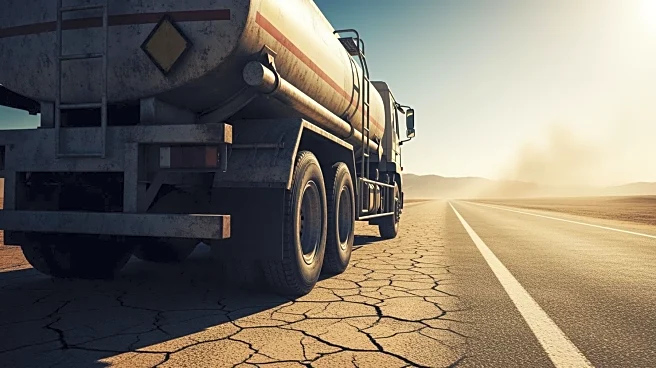
Niger has imposed sanctions on 34 truck drivers and transport companies for refusing to deliver fuel to Mali, citing violations of legal and regulatory obligations. This action is a response to a fuel blockade
by the al-Qaeda-affiliated group Jama'at Nusrat al-Islam wal-Muslimin (JNIM), which has been attacking fuel convoys since September. Mali, heavily reliant on imported fuel, has faced severe shortages due to the blockade, affecting public services and commerce. Despite previous efforts by Niger to organize protected fuel convoys, the persistent threat of militant attacks has deterred many transporters from making the journey, leading to the current sanctions.
Why It's Important?
The sanctions reflect the critical role of fuel supply in maintaining economic stability in Mali. The blockade has not only caused fuel shortages but also disrupted essential services, highlighting the vulnerability of landlocked nations to external threats. Niger's actions underscore the importance of regional cooperation in addressing security challenges and ensuring the flow of essential goods. The situation also illustrates the broader impact of insurgent activities on regional economies, as disruptions in one country can have cascading effects on neighboring states.
What's Next?
Niger's hardline stance may lead to increased tensions with transport operators, potentially affecting future fuel deliveries. The ongoing security threats may necessitate further international involvement or support to stabilize the region. As the situation evolves, regional alliances and international stakeholders may need to reassess their strategies to address the root causes of the insurgency and ensure the security of critical supply chains.