








What's Happening?
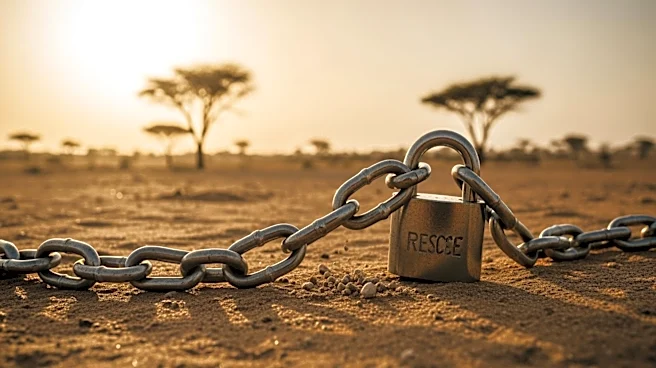
The Nigerian army has successfully freed 360 individuals who were abducted by the militant group Boko Haram in the northeastern region of Borno state. The operation took place in the Mandara mountains, a known stronghold of the group. Among those rescued
were children, although two infants tragically succumbed to exhaustion due to the harsh conditions of their captivity. The army has relocated the rescued individuals to safe locations where they are receiving medical care and humanitarian support. This operation is considered a significant success against Boko Haram, which, along with its breakaway faction ISWAP, has been responsible for a prolonged insurgency in Nigeria's northeast. This insurgency has resulted in thousands of deaths and millions of displacements over the past decade.
Why It's Important?
The successful rescue operation by the Nigerian army represents a critical blow to Boko Haram and highlights ongoing efforts to combat terrorism in the region. The insurgency has severely impacted Nigeria's security landscape, contributing to a complex crisis involving kidnappings and illegal activities. The operation underscores the Nigerian government's commitment to addressing these security challenges, which have significant implications for regional stability and humanitarian conditions. The rescue also brings attention to the plight of abducted individuals and the need for continued international support and collaboration in counter-terrorism efforts.
What's Next?
Following this operation, the Nigerian government is likely to continue its military campaigns against Boko Haram and ISWAP to further weaken their influence. There may be increased collaboration with international partners, such as the United States, to enhance counter-terrorism strategies. The government will also need to focus on providing long-term support and rehabilitation for the rescued individuals to reintegrate them into society. Additionally, there may be calls for more comprehensive measures to prevent future abductions and improve security in vulnerable regions.