



What's Happening?
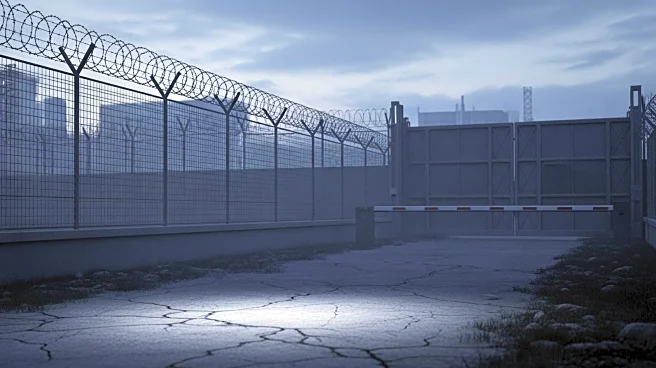
Iran has announced it will not allow the International Atomic Energy Agency (IAEA) to inspect its nuclear sites that were damaged in military strikes by Israel and the United States in June. The strikes targeted key facilities such as Natanz, Fordo, and Isfahan,
leaving the condition of these sites unclear. Mohammad Eslami, head of Iran’s Atomic Energy Organization, stated that the IAEA must clarify whether such military attacks are authorized and, if not, condemn them. Eslami emphasized the need for established procedures for inspecting nuclear facilities post-attack, which Iran claims are currently absent. The IAEA has previously called for Iran to cooperate fully and comply with international safeguards. During a recent UN Security Council meeting, the European Union and France urged Iran to provide updated and verifiable information about its nuclear materials.
Why It's Important?
This development is significant as it highlights ongoing tensions between Iran and the international community regarding nuclear proliferation. Iran's refusal to allow inspections could exacerbate concerns about its nuclear ambitions and compliance with international agreements. The situation poses a potential threat to international peace and security, as noted by France's deputy permanent representative to the UN. The lack of inspections may hinder the IAEA's ability to verify Iran's nuclear activities, raising fears of unchecked nuclear development. This standoff could impact diplomatic relations and efforts to ensure regional stability in the Middle East.
What's Next?
The international community, particularly the IAEA and UN Security Council, may continue to pressure Iran to comply with inspection demands. Diplomatic efforts could intensify to establish clear guidelines for inspecting nuclear sites post-military attack. Iran's response to these pressures and any potential negotiations will be crucial in determining the future of its nuclear program and international relations. The situation may also influence broader geopolitical dynamics, including U.S. and EU strategies towards Iran.