








What's Happening?
India is currently experiencing a significant increase in food prices, driven by a combination of factors including poor monsoon rainfall, tighter farm supplies, costlier animal feed, and firmer global commodity prices. This squeeze is affecting staples,
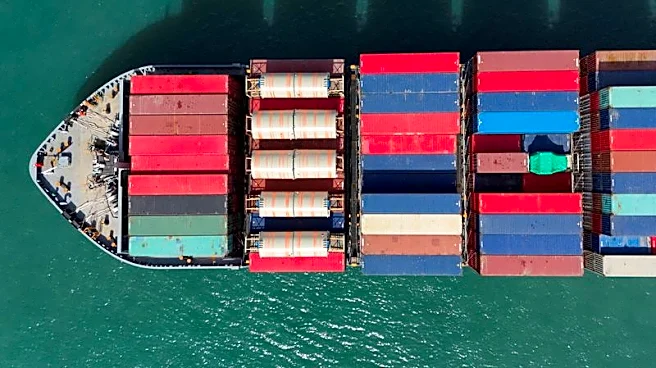
protein items, and sugar simultaneously. Economists, such as Madan Sabnavis, chief economist at Bank of Baroda, warn that relief may be limited well into the next year. Sugar prices, for instance, have risen by nearly 30% over the past year. Despite government efforts to allow duty-free imports of 1 million metric tonnes, this measure may not be sufficient to significantly reduce prices, as consumption is expected to exceed production by a considerable margin. The global backdrop, characterized by higher international prices, a weaker rupee, and rising freight costs, further exacerbates the situation by making overseas supplies more expensive.
Why It's Important?
The deepening food price squeeze in India carries significant implications for its population, particularly lower-income households. Prolonged protein inflation, affecting essential sources like pulses, poultry, and dairy, could force these households to alter their diets, leading to long-term consequences for nutrition and health. This situation highlights the vulnerability of large populations to agricultural and economic shocks. The reliance on imports to cushion domestic shortages is proving challenging due to unfavorable global market conditions, indicating a broader interconnectedness of global food systems. The sustained rise in prices for basic necessities can lead to social unrest and economic instability, impacting the overall well-being and productivity of the nation. The agricultural sector, already under pressure from dry fields and cash shortages, faces tough sowing decisions, which could further impact future food supplies.
What's Next?
Economists anticipate that the food price squeeze in India will persist well into the next year, with limited relief expected. The government's current measures, such as allowing duty-free sugar imports, may not be enough to significantly stabilize prices. Future developments will largely depend on the success of upcoming monsoon seasons and global commodity price trends. Farmers entering the winter sowing season are already facing challenges, which could impact future harvests. The long-term recovery of sugar production, for example, is not expected until late 2028, assuming improved rainfall in 2027. This suggests a sustained period of elevated food costs and potential dietary shifts for a significant portion of the Indian population.
Beyond the Headlines
The ongoing food price inflation in India underscores the complex interplay of climate change, global economics, and domestic agricultural policies. The vulnerability of India's food supply to monsoon patterns highlights the urgent need for climate-resilient agricultural practices and diversified food sources. The social cost of prolonged protein inflation, as noted by economists, extends beyond economic metrics, impacting public health and potentially widening social inequalities. This situation could also prompt a re-evaluation of India's food security strategies, including investment in agricultural infrastructure, research into drought-resistant crops, and more robust international trade agreements to ensure stable food supplies. The challenges faced by Indian farmers also point to the need for better support systems and financial aid to mitigate the impacts of adverse weather conditions and rising input costs.