






What's Happening?
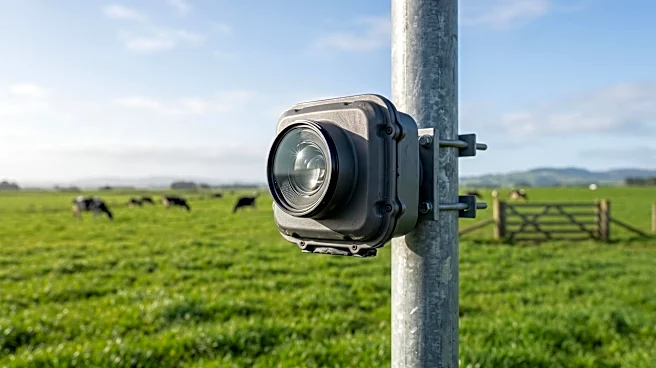
Topigs Norsvin is actively developing and implementing AI-powered computer models to automatically detect and record specific behaviors in pigs. This initiative aims to identify unwanted behaviors such as tail biting, belly nosing, and ear biting, which
are difficult to observe and quantify manually. The process involves installing video surveillance in pig barns, collecting footage, and then manually labeling this data for various behavioral traits. This labeled data is subsequently used to train machine learning models. The ultimate goal is to integrate these objectively measured behavioral traits into the breeding program, allowing for the selection of pigs that are healthier, less stressed, and better adapted to their environments. The research team is also working on an advanced AI model, inspired by human brain motion perception, to improve the accuracy of detecting these undesirable behaviors.
Why It's Important?
This development is significant for the livestock industry, particularly in the context of animal welfare and sustainable production. By leveraging AI to analyze pig behavior, Topigs Norsvin can identify early signs of stress or abnormalities, leading to proactive management and improved welfare for the animals. Integrating these behavioral insights into breeding programs allows for the genetic selection of more resilient and less stress-prone pigs, which can reduce the incidence of stress-related behaviors and improve overall herd health. This approach contributes to more sustainable protein production by enhancing animal well-being and potentially reducing economic losses associated with stress-induced issues in livestock. The ability to objectively measure and select for behavioral traits represents a substantial advancement over traditional, subjective observation methods.
What's Next?
The immediate next steps involve further refinement and optimization of the AI models, particularly the new model inspired by human brain motion perception, to enhance prediction performance and accuracy in detecting undesirable behaviors. Following successful validation, these AI models are planned for integration into Topigs Norsvin's breeding program. This integration will enable the systematic selection of pigs based on their behavioral traits, aiming for improved welfare and a lower incidence of stress-related issues across future generations. The company also emphasizes the responsible use of AI, addressing ethical considerations such as transparency and bias, as it continues to develop these technologies for positive contributions to animal health and welfare.
Beyond the Headlines
The application of AI in livestock behavior analysis extends beyond immediate welfare improvements, hinting at broader implications for agricultural technology and ethical farming practices. This technology could set a precedent for how animal welfare is monitored and managed across various livestock species, potentially leading to industry-wide adoption of similar AI-driven solutions. It also raises questions about the future role of technology in animal husbandry, moving towards more data-driven and precise interventions. Furthermore, the focus on breeding for behavioral resilience could reduce the need for certain management practices that are sometimes viewed as controversial, such as tail docking, by addressing the root causes of aggressive behaviors. This shift could influence consumer perceptions of animal product sourcing and drive demand for ethically raised livestock.