







What's Happening?
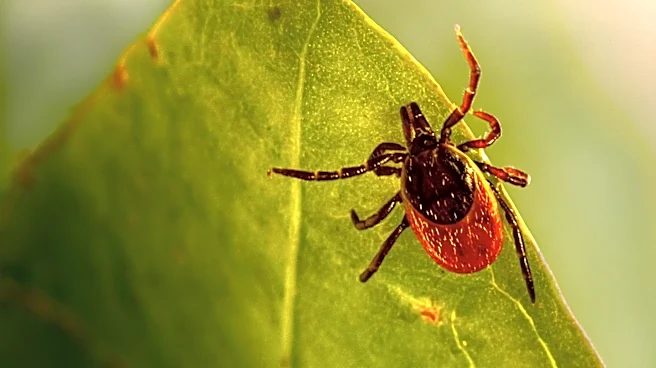
New York's Health Commissioner has issued a warning to residents to remain vigilant against ticks, following a significant surge in Lyme disease cases across the state. Last year, the number of reported Lyme disease cases reached 25,000. CBS News New York's Jennifer
McLogan toured a tick center on Long Island with the Health Commissioner, who expressed concern about the increasing prevalence of ticks and the diseases they carry. The commissioner emphasized that ticks are becoming more dominant, necessitating increased public awareness and preventative measures to protect New Yorkers from tick-borne illnesses. This alert underscores an ongoing public health challenge in the region.
Why It's Important?
The surge in Lyme disease cases in New York state represents a critical public health concern with significant implications for residents' well-being and the healthcare system. Lyme disease, if left untreated, can lead to severe health issues affecting joints, the heart, and the nervous system, resulting in long-term disability and reduced quality of life for affected individuals. The increased prevalence of ticks also places a greater burden on healthcare providers for diagnosis and treatment, potentially straining resources. Economically, the rise in cases can lead to lost productivity due to illness and increased healthcare expenditures. This situation highlights the need for effective public health campaigns, accessible testing, and preventative strategies to mitigate the impact of tick-borne diseases on communities across New York.
What's Next?
New Yorkers are advised to continue practicing preventative measures against tick bites, such as using insect repellent, wearing protective clothing in wooded areas, and performing thorough tick checks after outdoor activities. Public health officials are expected to intensify educational campaigns to raise awareness about tick-borne diseases and their prevention. Research into tick populations and disease transmission dynamics may also be expanded to develop more effective control strategies. Healthcare providers will likely see a continued demand for Lyme disease testing and treatment, necessitating ongoing vigilance in diagnosis and patient management. The state may also explore policy initiatives to support tick control efforts and enhance public health infrastructure to address this growing threat.
Beyond the Headlines
The escalating tick population and corresponding rise in Lyme disease cases in New York could be indicative of broader ecological shifts, potentially linked to climate change and changes in wildlife populations. Warmer temperatures and altered precipitation patterns can expand tick habitats and extend their active seasons, increasing the window for human exposure. This situation highlights the interconnectedness of environmental health and human health, underscoring the need for a holistic approach to public health that considers ecological factors. The challenge of tick-borne diseases also raises ethical questions about land use, conservation, and the balance between human development and natural ecosystems. Addressing this issue effectively may require interdisciplinary collaboration involving public health, environmental science, and urban planning.