


What's Happening?
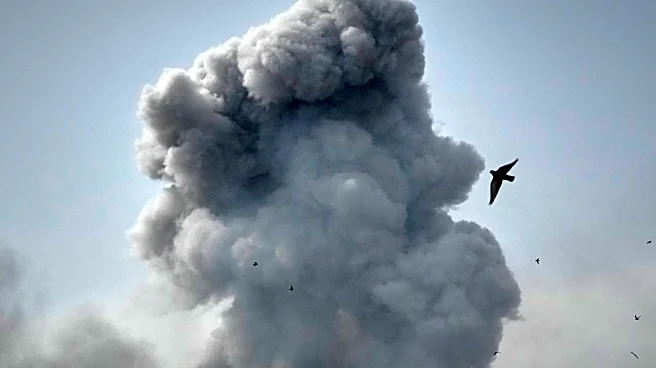
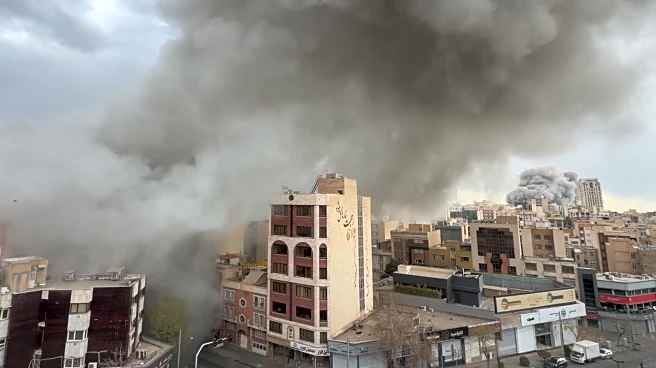
Chairman of the Joint Chiefs of Staff Gen. Dan Caine reported 'steady progress' in U.S. military operations against Iran during a Pentagon briefing. Defense Secretary Pete Hegseth highlighted the sinking of an Iranian warship by a U.S. submarine, marking
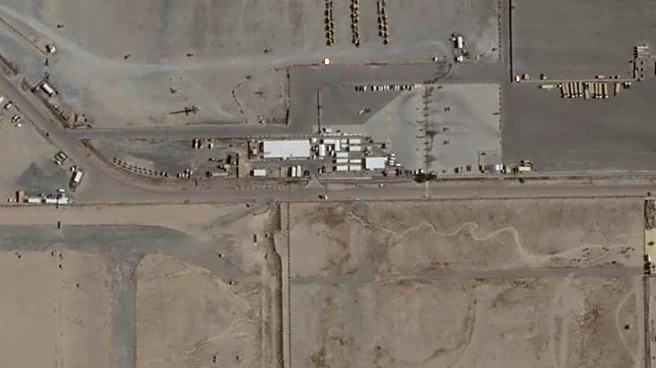
a significant military achievement. The operations, now in their fifth day, have targeted over 2,000 sites, including Iranian naval vessels and missile systems. Hegseth emphasized the U.S.'s strategic advantage and the ongoing deployment of additional forces to ensure continued success in the region.
Why It's Important?
The U.S. military's operations in Iran represent a critical moment in international military strategy, with potential repercussions for global security and diplomatic relations. The successful targeting of Iranian military assets underscores the U.S.'s military capabilities and strategic priorities in the Middle East. The operations may influence regional power dynamics and impact U.S. relations with allies and adversaries. The situation also raises questions about the long-term implications of military interventions and the potential for escalation into broader conflicts.
What's Next?
As the U.S. continues its military operations in Iran, further strategic deployments and engagements are expected. The Pentagon's commitment to achieving specific objectives suggests ongoing military activities and potential responses from Iran and its allies. The international community may call for diplomatic resolutions or increased military support for regional allies. The U.S. may also face domestic and international scrutiny regarding the long-term implications of its military actions and the potential for escalation into broader conflicts.