






What's Happening?
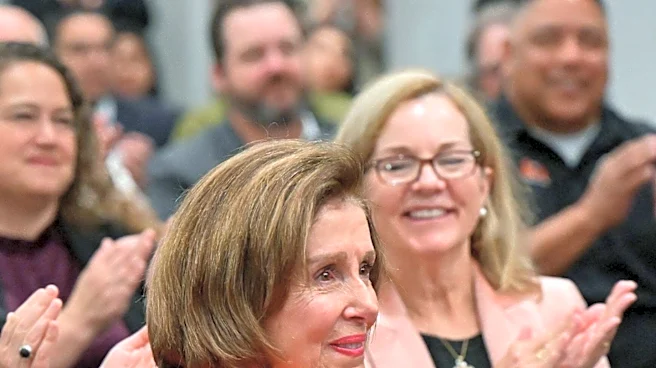
Congresswoman Zoe Lofgren (D-CA), Ranking Member of the House Committee on Science, Space, and Technology, has voiced strong concerns regarding recent actions by the current administration that she believes undermine U.S. leadership in advanced nuclear
reactors. During an Energy Subcommittee hearing titled 'Powering the Nuclear Renaissance: Accelerating U.S. Leadership in Advanced Nuclear Reactors,' Lofgren highlighted the vital role nuclear energy plays in providing clean, reliable power and the potential of advanced nuclear technologies, including fusion. She specifically criticized the firing of Chris Hanson, the Senate-confirmed Commissioner and former Chairman of the Nuclear Regulatory Commission (NRC), and the loss of hundreds of expert staff across various agencies, including the NRC and the Department of Energy's Nuclear Energy, Clean Energy Demonstrations, and Loan Programs Offices. Lofgren also pointed to executive orders aimed at undermining the NRC's independence and proposed major budget cuts to nuclear energy research, development, and demonstration (RD&D) activities, including a 51% cut to the Advanced Reactor Demonstration Program in FY 2026 and a 9% cut to the Office of Nuclear Energy overall in FY 2027. She argued that these actions could severely harm the industry and compromise nuclear safety.
Why It's Important?
The criticisms raised by Congresswoman Lofgren are significant for the future of U.S. energy policy and national security. Nuclear energy is a critical component of the nation's clean energy portfolio, offering a reliable, carbon-free power source that complements intermittent renewables. Undermining the development of advanced nuclear technologies and the regulatory bodies overseeing them could jeopardize the U.S.'s ability to meet its climate goals and maintain energy independence. The reduction of expert staff at key agencies like the NRC and the Department of Energy could lead to a loss of institutional knowledge and a weakening of safety oversight, potentially increasing risks within the nuclear sector. Furthermore, proposed budget cuts to RD&D programs could stifle innovation and delay the deployment of next-generation reactors, allowing other nations to surpass the U.S. in nuclear technology. The stability and independence of regulatory bodies like the NRC are crucial for public trust and the safe operation of nuclear facilities, making any perceived political interference a serious concern for both the industry and the public.
What's Next?
The concerns raised by Congresswoman Lofgren suggest ongoing scrutiny of the administration's nuclear energy policies. Future congressional hearings and legislative efforts are likely to address the issues of staffing, funding, and regulatory independence within the nuclear sector. The Department of Energy's budget requests for nuclear energy programs will continue to be a point of contention, with potential for further debate and amendments in Congress. Stakeholders within the nuclear industry, including developers of advanced reactors, will likely advocate for stable funding and a predictable regulatory environment to ensure the viability of their projects. The broader nuclear energy community will be closely watching for any further actions that could impact safety standards or the pace of technological development. The Government Accountability Office (GAO) may also be called upon to review the impact of these administrative actions on the nation's nuclear capabilities and safety protocols.
Beyond the Headlines
The debate over nuclear energy policy extends beyond immediate budget and staffing concerns, touching upon fundamental questions of national strategy and technological leadership. The 'move fast and break things' approach, as described by Lofgren, in a sector as critical and sensitive as nuclear energy, carries profound risks. A single major incident, potentially exacerbated by weakened oversight or a rushed licensing process, could have catastrophic consequences, not only for public safety and the environment but also for the entire nuclear industry's public perception and future viability. This situation highlights the delicate balance between accelerating technological innovation and maintaining robust regulatory frameworks. The long-term implications include the potential for the U.S. to cede its leadership in nuclear technology to other countries, impacting its geopolitical influence and economic competitiveness in the global energy market. The ethical dimension of ensuring nuclear safety for future generations, while pursuing clean energy goals, remains a central challenge.