




What's Happening?
The New York State Department of Agriculture and Markets is requesting that Long Island residents report any sightings of the Box Tree Moth, an invasive pest that poses a significant threat to boxwood plants. The moth was recently detected in Nassau County
in mid-September, marking the first time it has been found outside the quarantine boundary established in 2024. Prior to this, detections had occurred in several upstate New York counties, including Niagara, Monroe, Wayne, and Cayuga. The Department is actively surveying for the pest and is collaborating with the United States Department of Agriculture (USDA) Animal and Plant Health Inspection Service (APHIS) on management efforts. Both agencies are dedicating staff time to trap the moth along the leading edge of the quarantine zone and in other high-risk areas across the state.
Why It's Important?
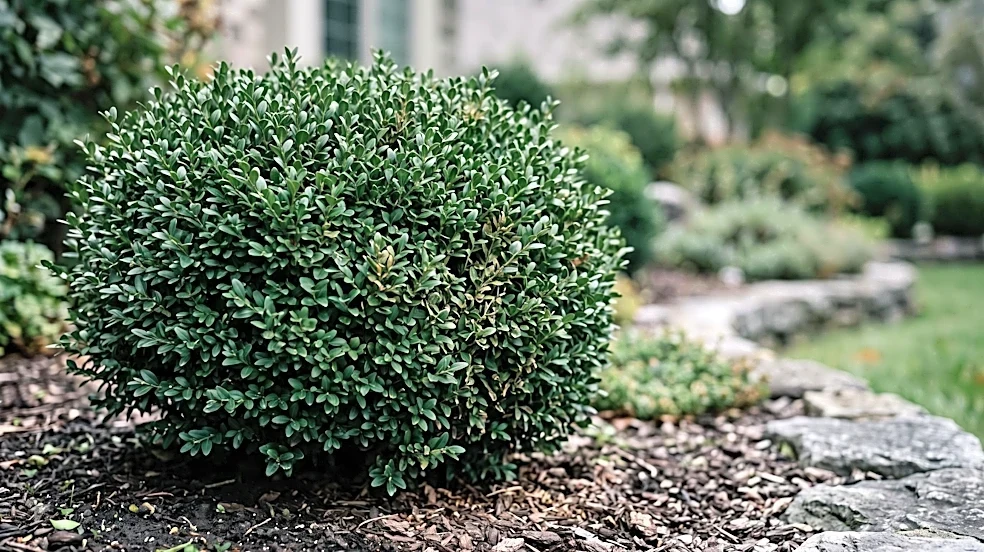
The Box Tree Moth is a major threat to the nursery and horticultural industry in New York, as boxwood plants are widely used on Long Island and are a valuable part of the state's agricultural economy. Infestations can cause severe damage, including defoliation and eventual death of the plants, leading to significant economic losses for nurseries, landscapers, and homeowners. The spread of this invasive species could have long-term ecological impacts by altering local plant communities and potentially affecting other species that rely on boxwood. Early detection and reporting by residents are crucial for assessing the extent of the infestation and implementing effective control measures to prevent further spread, thereby protecting both the environment and the state's agricultural sector.
What's Next?
Department inspectors will continue to survey for the Box Tree Moth in Nassau County, potentially visiting residential properties with landowner permission. Residents are encouraged to regularly inspect their boxwood plants for signs of infestation, such as chewed leaves, webbing, frass (excrement), and larvae. Suspected sightings should be reported to the Department through their dedicated online portal. The Department will revise the existing quarantine, which currently covers 34 upstate counties and prohibits the sale and movement of boxwood outside the quarantined area, as necessary based on ongoing survey results. Property owners and managers can also contact their local Cornell Cooperative Extension office or the NYS Integrated Pest Management website for information on managing infestations.
Beyond the Headlines
This situation underscores the ongoing challenge of managing invasive species and the critical role of public participation in early detection and control efforts. The collaboration between state and federal agencies (NYS Department of Agriculture and Markets and USDA APHIS) highlights the multi-jurisdictional nature of environmental threats and the need for coordinated responses. Beyond the immediate economic impact on the horticultural industry, the spread of invasive species can disrupt ecosystems, reduce biodiversity, and incur significant long-term costs for eradication and restoration. This event serves as a reminder of the interconnectedness of global trade and local ecosystems, as invasive species often arrive through international pathways. Public awareness campaigns and accessible reporting mechanisms are vital tools in mitigating these threats and protecting natural resources.