



What's Happening?
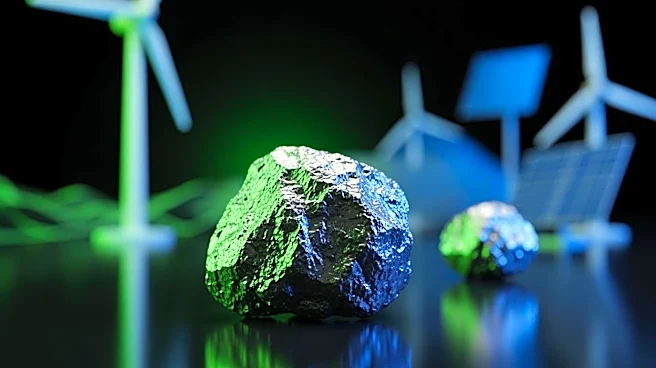
The mining industry is increasingly recognized as a crucial player in the global energy transition, as highlighted during World Environment Day. The industry is tasked with supplying essential minerals like copper and lithium, which are vital for renewable
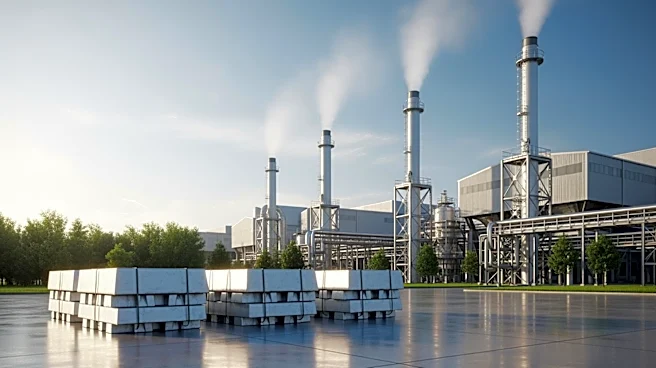
energy systems and electrification. Despite its critical role, the industry faces scrutiny over its environmental impact. Efforts are underway to reduce this footprint, with innovations such as electrification of mining equipment and the use of cleaner diesel alternatives. Companies like Vale Base Metals and Turkish contractor Cimnak are leading these efforts by adopting electric machinery and cleaner fuels. The International Council on Mining and Metals (ICMM) emphasizes the need for collaboration with stakeholders to ensure that mining supports climate goals while minimizing environmental harm.
Why It's Important?
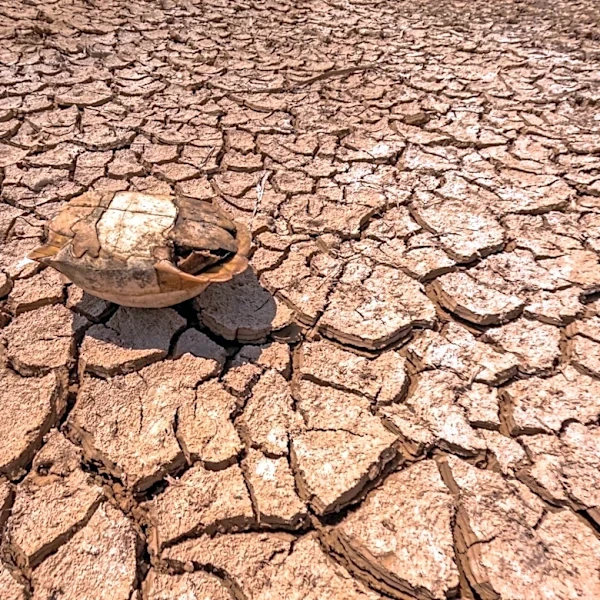
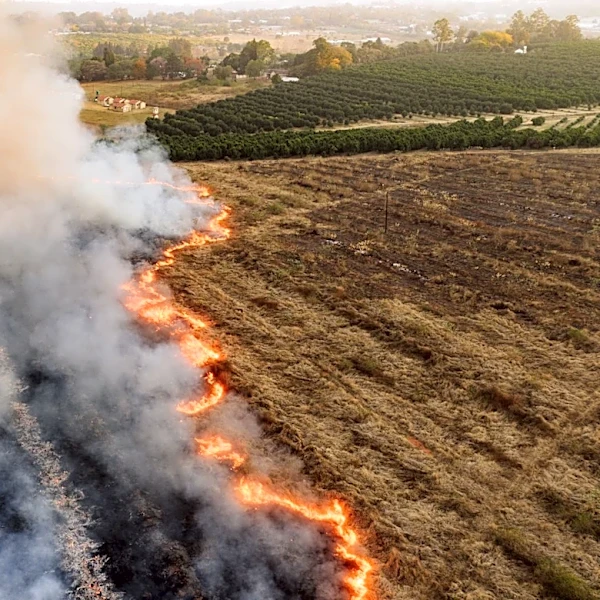
The mining sector's involvement in the energy transition is pivotal for achieving global climate targets. As the demand for renewable energy sources grows, so does the need for minerals that enable these technologies. The industry's ability to supply these materials sustainably is crucial for reducing carbon emissions and supporting a low-carbon future. However, the environmental challenges associated with mining, such as biodiversity loss and land degradation, necessitate a balanced approach that includes technological innovation and stakeholder collaboration. The industry's success in this transition could significantly impact global efforts to combat climate change and promote sustainable development.
What's Next?
The future of mining in the context of the energy transition involves continued innovation and collaboration. The development of zero-emission mining equipment and the adoption of cleaner energy sources are expected to advance. Additionally, the industry must engage with local communities, governments, and other stakeholders to address environmental concerns and ensure sustainable practices. The focus will likely shift towards implementing and scaling strategies that prevent biodiversity loss and promote ecosystem restoration. As the world moves towards a lower carbon future, the mining industry's role will be increasingly scrutinized, necessitating transparent and responsible practices.
Beyond the Headlines
The mining industry's evolution in response to environmental expectations highlights broader implications for sustainability and resource management. The shift towards electrification and cleaner technologies reflects a growing recognition of the need for a circular economy, where resources are reused and waste is minimized. This transition also underscores the importance of developing local skills and capabilities, as seen in initiatives by companies like Serval Resources. By investing in local communities and fostering sustainable practices, the industry can contribute to long-term economic and environmental resilience.