






What's Happening?
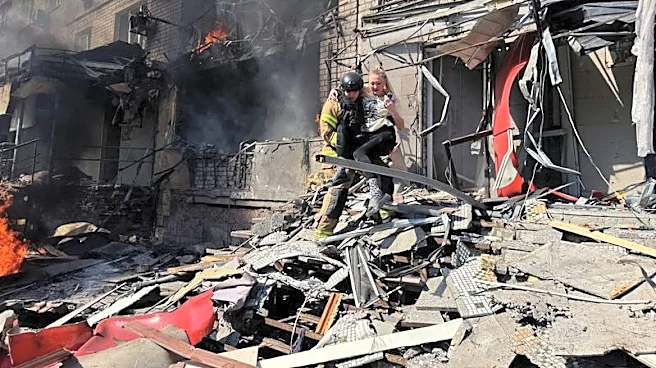
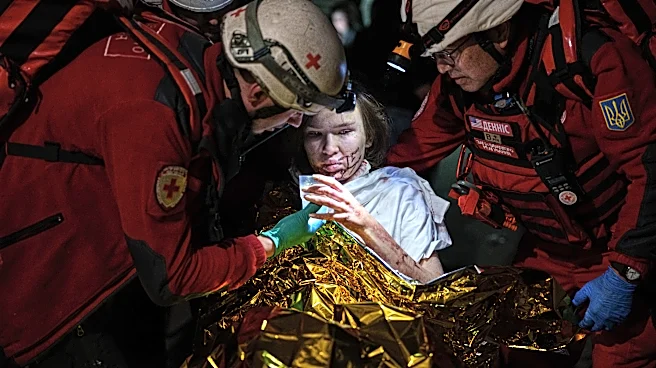
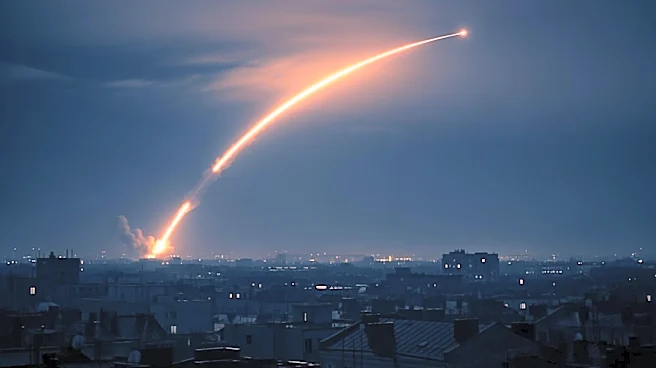
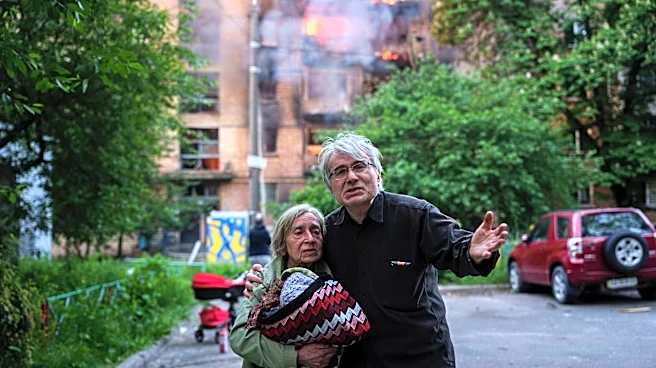
The European Union has summoned Russia's top diplomatic representative in Brussels following threats from the Kremlin urging European diplomats to leave Kyiv or risk being bombed. This development comes amid a series of Russian missile strikes on the Ukrainian
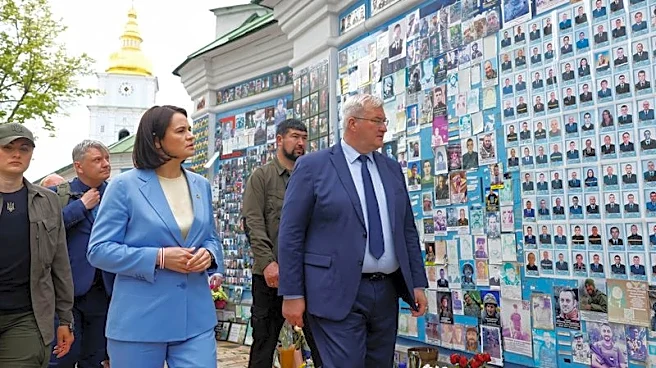
capital, which Moscow claims are in response to a Ukrainian attack on a Russian-occupied town. Despite the threats, European diplomats have refused to evacuate, with EU officials stating that they will maintain their presence in Kyiv. The EU's External Action Service spokesperson, Anitta Hipper, condemned Russia's actions as an unacceptable escalation and called for genuine peace talks.
Why It's Important?
This situation underscores the heightened tensions between Russia and the European Union, as well as the broader international community, over the ongoing conflict in Ukraine. The EU's decision to summon the Russian envoy and maintain its diplomatic presence in Kyiv signals a strong stance against Russian aggression and a commitment to supporting Ukraine. This move could further strain relations between Russia and the EU, potentially leading to increased diplomatic and economic repercussions. The international community is closely monitoring these developments, as they could have significant implications for regional stability and global diplomatic relations.
What's Next?
The EU's response to Russia's threats is likely to involve continued diplomatic engagement and potential sanctions or other measures to pressure Russia into de-escalating the situation. The EU and its member states will be assessing the security situation in Kyiv and may take additional steps to ensure the safety of their diplomatic staff. The international community will be watching closely for any further developments, as the situation in Ukraine remains a critical issue with far-reaching consequences for global security and diplomacy.