



What's Happening?
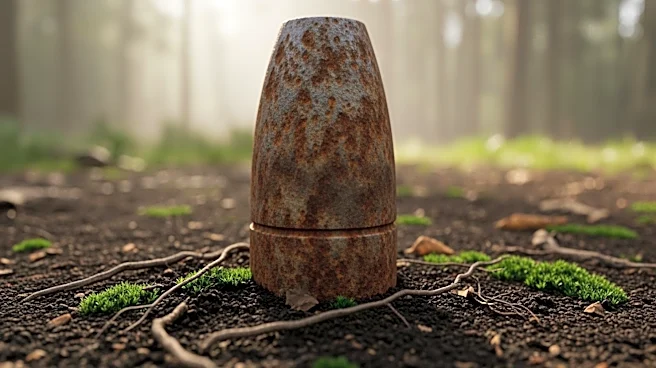
Archaeologists have made a significant discovery at the site of the Battle of Culloden, the bloodiest battle in Scottish history. A mortar shell, which never detonated, was found intact at the battlefield near Inverness. This shell, believed to have been
fired by government forces during the battle on April 16, 1746, provides new insights into the deployment and actions of the forces involved. The Battle of Culloden marked the end of the Jacobite uprising led by Charles Edward Stuart, known as Bonnie Prince Charlie, against King George II's troops.
Why It's Important?
The discovery of the undetonated shell is a remarkable find that enhances historical understanding of the Battle of Culloden. It offers tangible evidence of the artillery used and the strategic positions of the forces during the battle. This find not only enriches the historical narrative but also aids in the preservation and interpretation of the site for educational and commemorative purposes. The shell's preservation and analysis could provide further insights into 18th-century military technology and tactics, contributing to broader historical and archaeological studies.
What's Next?
Following the discovery, the shell has been safely cleaned and preserved for further study. Archaeologists and historians will likely continue to analyze the site to uncover more artifacts and gain a deeper understanding of the battle's dynamics. The National Trust for Scotland, which oversees the site, may use this discovery to enhance educational programs and visitor experiences. Additionally, the find could prompt further archaeological investigations in the area, potentially leading to more discoveries that could reshape historical interpretations of the battle.