
What's Happening?
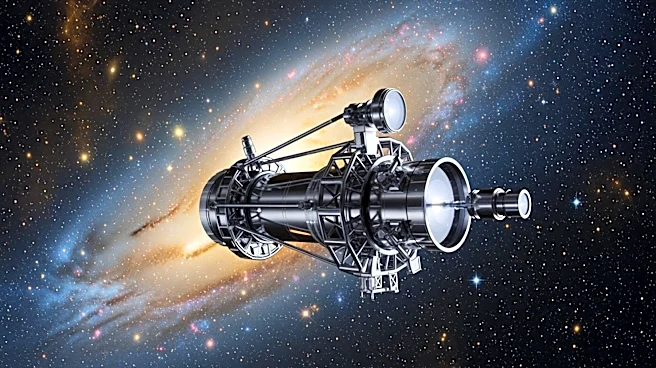
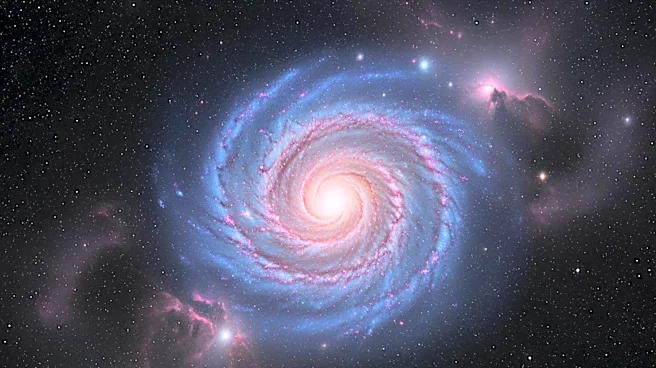
NASA's Hubble Space Telescope has been conducting a survey of the Milky Way's galactic bulge, a dense region near the galaxy's center, to support the upcoming Nancy Grace Roman Space Telescope mission. The Roman Space Telescope, set to launch as early
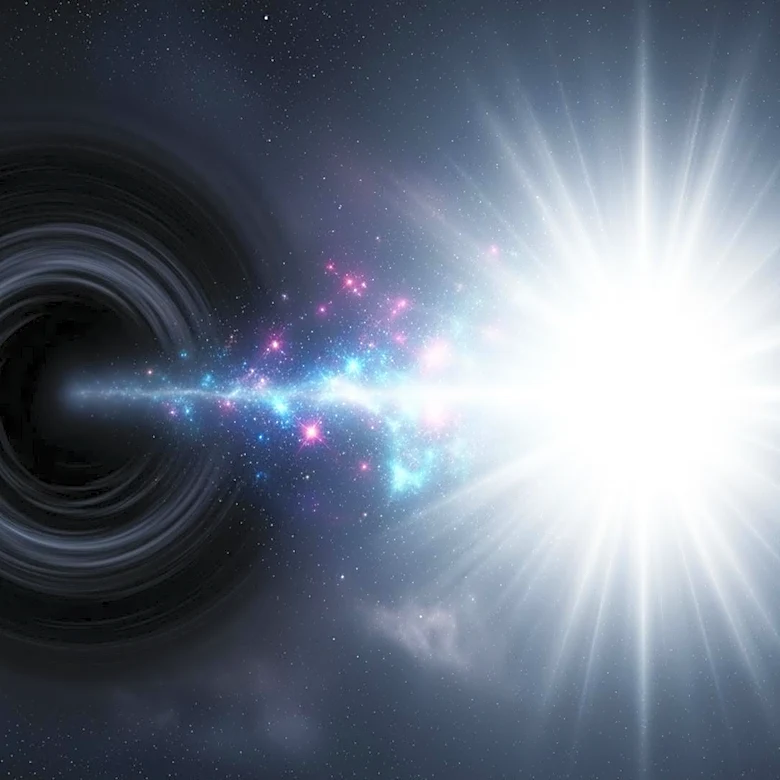
as September 2026, will focus on the galactic bulge as part of its core science objectives. This mission aims to survey millions of stars and discover thousands of new exoplanets. The Hubble survey, which began in 2025, covers much of the same area that Roman will observe, providing crucial pre-launch data. This data will help astronomers interpret Roman's observations by comparing them with Hubble's earlier data. The survey is particularly focused on microlensing events, which occur when the light from a distant object is warped by the mass of a closer object, allowing the detection of exoplanets and other celestial bodies.
Why It's Important?
The collaboration between the Hubble and Roman Space Telescopes represents a significant advancement in the study of the Milky Way's galactic bulge. By leveraging Hubble's data, the Roman mission will be able to conduct a more comprehensive survey, potentially identifying hundreds of 'rogue planets' and other celestial phenomena. This initiative will enhance our understanding of planetary systems and the formation of stars and planets. The data collected will also contribute to a new catalog of stars, significantly expanding our knowledge of the universe. The Roman Space Telescope's ability to survey a large area quickly will provide unprecedented insights into the structure and evolution of the Milky Way, offering potential breakthroughs in astrophysics and cosmology.
What's Next?
The Roman Space Telescope is scheduled for launch in September 2026, with its Galactic Bulge Time-Domain Survey set to begin shortly thereafter. This survey will consist of six 72-day observing seasons, capturing images every 12 minutes. The data collected will be used to identify microlensing events and other phenomena, providing a deeper understanding of the galactic bulge. The mission's success will depend on the integration of Hubble's pre-launch data, which will help astronomers distinguish between different celestial objects during microlensing events. The results of this mission could lead to new discoveries about the formation and evolution of planetary systems, as well as the detection of previously unseen celestial bodies.