
What's Happening?
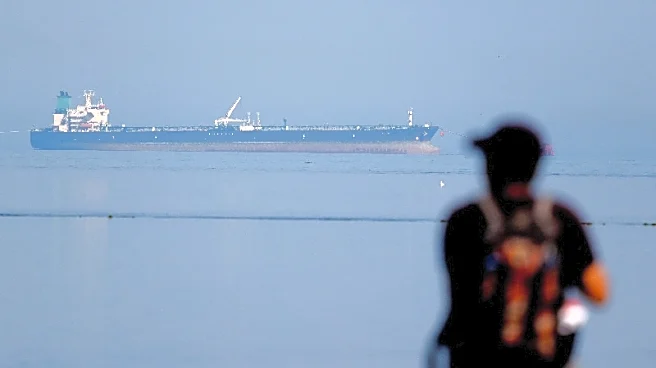
The U.S. Treasury Department has announced a significant expansion of sanctions targeting Iran-related networks. This move adds over two dozen individuals, companies, and vessels to the Office of Foreign
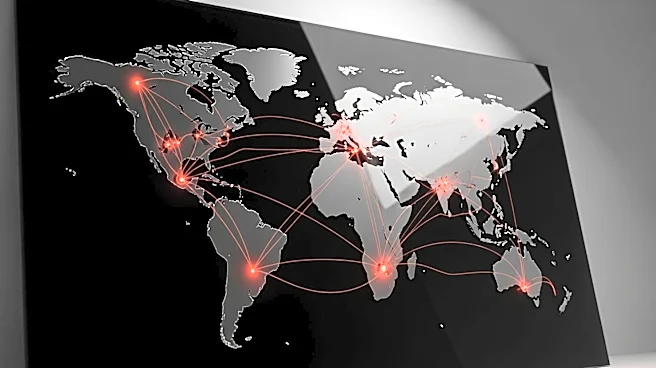
Assets Control's (OFAC) Specially Designated Nationals list. The sanctions focus on operatives and facilitators linked to Hamas, HASM, and Iranian procurement networks, many of whom now face 'secondary sanctions risk' under Executive Order 13224. The newly sanctioned entities span multiple countries, including Gaza, Turkey, Spain, Belgium, Jordan, and Iran. The sanctions aim to disrupt financial facilitators and shipping networks that support these groups. The Treasury's action is part of its broader Economic Fury campaign, which seeks to apply economic pressure on Iran and its affiliates.
Why It's Important?
The expansion of sanctions is a strategic move by the U.S. to curb Iran's influence and disrupt its financial networks. By targeting entities involved in supporting terrorist organizations and Iran's procurement activities, the U.S. aims to weaken Iran's economic capabilities. The sanctions also serve as a warning to foreign companies that engage with these networks, as they risk being cut off from the U.S. financial system. This could lead to significant economic repercussions for businesses that continue to transact with sanctioned entities. The move underscores the U.S. commitment to using economic tools to address national security threats and maintain pressure on Iran.
What's Next?
The newly imposed sanctions are likely to strain Iran's financial networks further, potentially leading to increased economic isolation. The U.S. may continue to monitor and expand its sanctions list as it identifies more entities involved in supporting Iran's activities. Foreign companies will need to reassess their business dealings to avoid secondary sanctions, which could lead to a reevaluation of their ties with Iranian entities. The international community may also respond, with some countries potentially aligning with the U.S. stance, while others may seek to mitigate the impact on their own economic interests.