





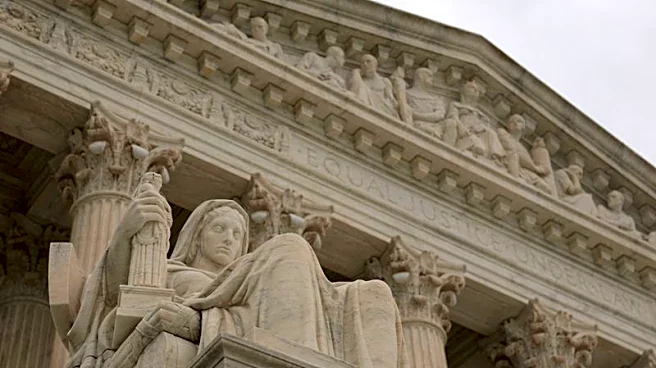


What's Happening?
A recent AP-NORC poll indicates that a majority of Americans perceive civil liberties, such as the right to vote, as being under threat. Despite these concerns, there is a strong consensus that the rights enshrined in the nation's founding documents remain
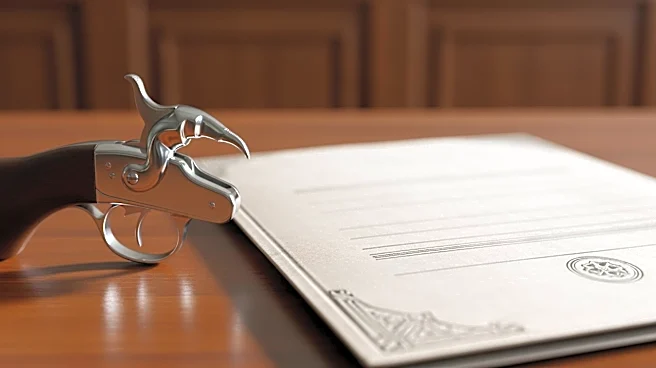
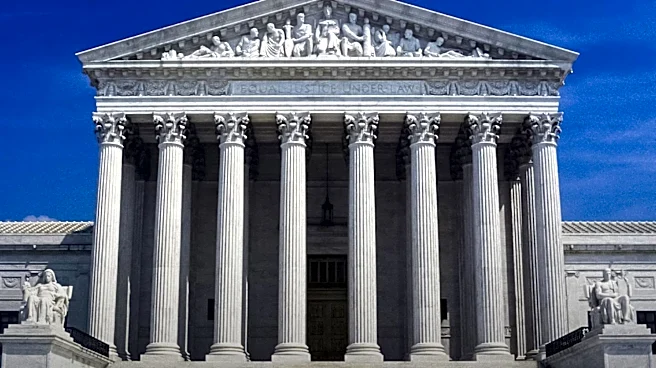
central to American identity. The survey, conducted by The Associated Press-NORC Center for Public Affairs Research, highlights that while most Americans across various demographics view the right to vote, free speech, and freedom of religion as integral to the country, there is less agreement on the right to bear arms. The poll, conducted from April 16-20, 2026, before a Supreme Court ruling affecting the Voting Rights Act, underscores a persistent belief in the importance of personal freedoms, coupled with anxiety about their current state.
Why It's Important?
The findings of the poll are significant as they reflect a growing concern among Americans about the erosion of civil liberties, which are foundational to the country's democratic principles. This sentiment could influence public policy and political discourse, especially as the nation approaches its semi-quincentennial celebrations. The perception of threats to these rights may drive voter behavior and impact legislative priorities, particularly in areas related to voting rights, free speech, and gun control. The poll also reveals partisan divides, with Democrats more concerned about threats to free speech and Republicans more focused on gun rights, highlighting the potential for these issues to shape future political debates.
What's Next?
As the nation grapples with these concerns, there may be increased advocacy and legislative efforts aimed at protecting civil liberties. Political leaders and civil society groups could intensify their focus on safeguarding voting rights and addressing perceived threats to free speech and religious freedoms. The upcoming elections and legislative sessions may see these issues taking center stage, influencing both policy decisions and voter turnout. Additionally, the poll's findings could prompt further research and dialogue on how to reconcile differing views on civil liberties across partisan lines.