
What's Happening?
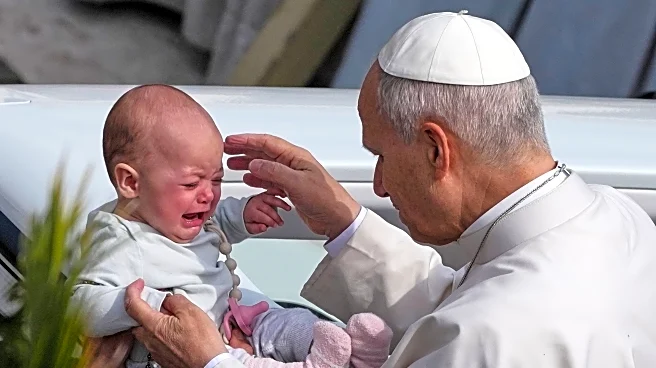
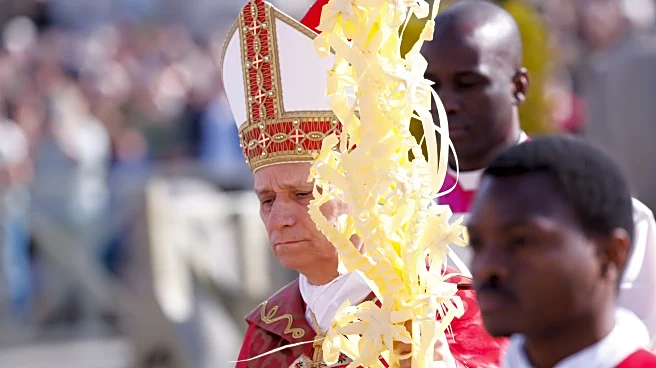
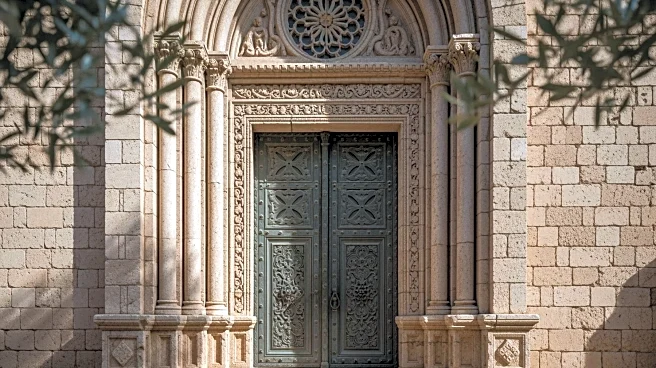
Cardinal Pierbattista Pizzaballa, the Latin Patriarch of Jerusalem, was prevented by Israeli police from entering the Church of the Holy Sepulchre to celebrate Palm Sunday Mass. The Latin Patriarchate of Jerusalem reported that the decision was made due
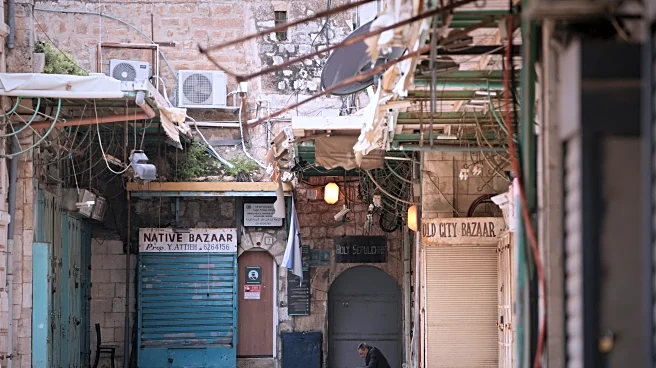
to security concerns related to ongoing conflict with Iran. The incident marks the first time in centuries that church leaders have been barred from the site during Palm Sunday. The Patriarchate criticized the decision as unreasonable and disproportionate, expressing sorrow to Christians worldwide who were expecting the patriarch's prayer. The Israeli police cited the complexity of the Old City and the challenges posed to emergency response as reasons for the restrictions.
Why It's Important?
The prevention of Cardinal Pizzaballa's entry into the Church of the Holy Sepulchre has significant implications for religious freedom and international diplomacy. The site is a key religious landmark for Christians, and the restrictions have been viewed as a violation of religious rights. The incident has sparked international criticism, including from French President Emmanuel Macron, who called for freedom of worship to be ensured in Jerusalem. The situation highlights the tension between security measures and religious practices in conflict zones, particularly in a city with profound religious significance. The event underscores the challenges faced by religious communities in preserving their traditions amidst geopolitical conflicts.
What's Next?
Israeli authorities are working on a plan to allow church leaders to worship at the Church of the Holy Sepulchre while ensuring public safety. Prime Minister Benjamin Netanyahu has ordered that Cardinal Pizzaballa be granted full access to the site. The incident may lead to further diplomatic discussions between Israel and affected countries, as well as potential adjustments to security protocols around religious sites in Jerusalem. The international community will likely continue to monitor the situation, advocating for the protection of religious freedoms in the region.
Beyond the Headlines
The incident raises broader questions about the balance between security and religious freedom in conflict zones. It highlights the potential for religious sites to become focal points in geopolitical disputes, affecting not only local communities but also international relations. The situation may prompt discussions on how to safeguard religious practices while addressing legitimate security concerns. Additionally, the event could influence perceptions of Israel's handling of religious affairs, impacting its diplomatic standing and relations with countries that prioritize religious freedom.