


What's Happening?
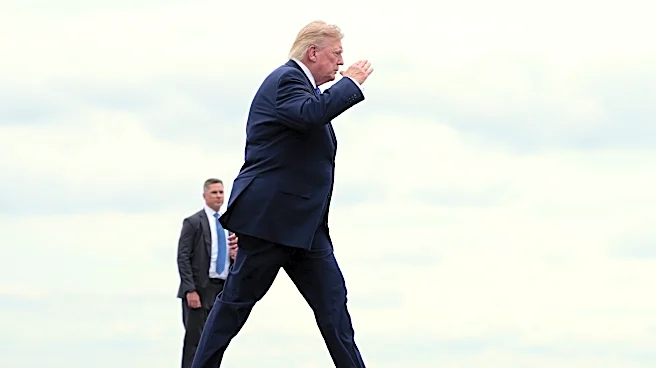
President Trump recently claimed that grocery prices are 'way down,' citing the Consumer Price Index (CPI) findings that show a decrease in egg prices. However, a closer examination reveals that while egg prices have indeed fallen, other food categories
continue to experience price increases. The Economic Research Service forecasts that grocery prices will rise by approximately 2.7% for the rest of 2026, with takeout or restaurant food prices expected to increase by 3.5%. The context of Trump's statement is important, as egg prices had previously spiked due to avian flu outbreaks, and the overall trend in food pricing inflation remains upward.
Why It's Important?
The discrepancy between President Trump's claims and the broader economic data highlights the complexity of food pricing trends and the challenges in communicating economic realities to the public. While certain categories like eggs may see temporary price reductions, the overall trend of rising food costs poses a significant challenge for consumers, particularly those with limited financial resources. This situation underscores the importance of accurate and transparent economic reporting and the need for policies that address the root causes of inflation and support consumer affordability.
What's Next?
As food prices continue to fluctuate, it will be important for policymakers and stakeholders to monitor economic indicators and address the factors contributing to inflation. This may involve targeted interventions to stabilize prices, support for agricultural producers, and efforts to enhance supply chain resilience. Additionally, clear communication of economic data and trends will be crucial in ensuring that the public is informed and able to make decisions based on accurate information.