





What's Happening?
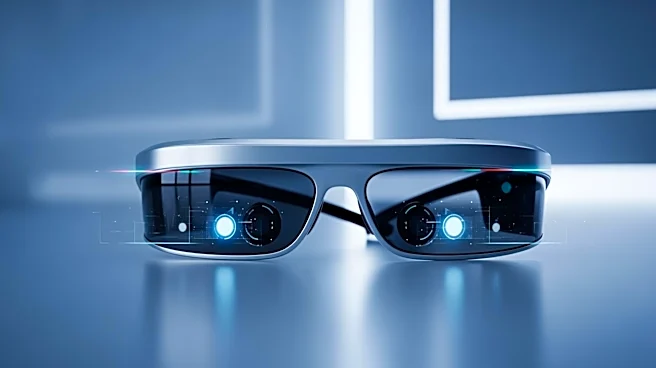
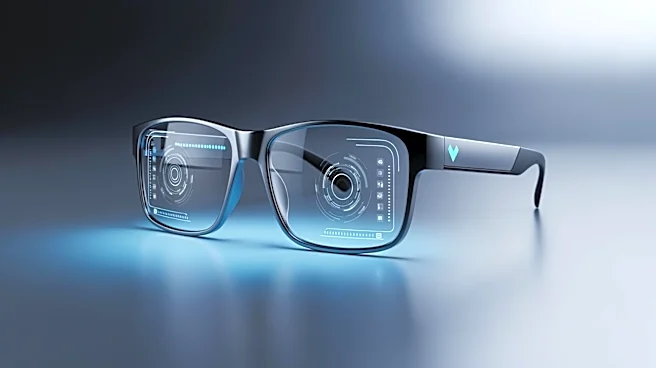
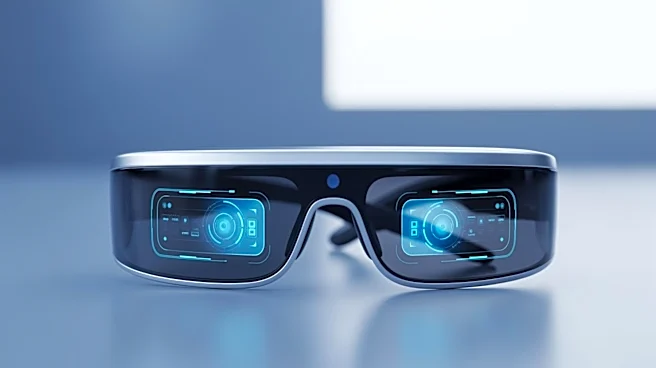
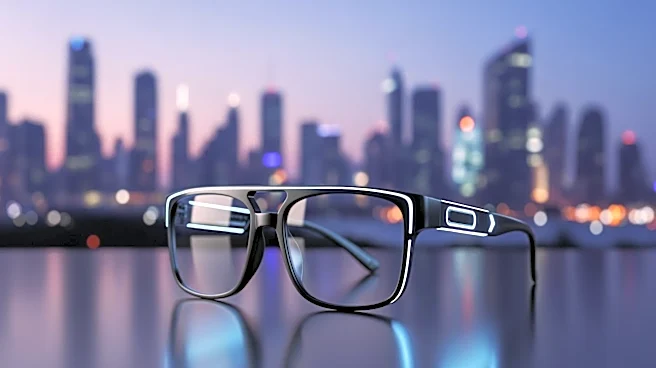
The development of augmented reality (AR) glasses is gaining momentum, with major tech companies like Google, Snap, and Xreal racing to create lighter, more functional AR frames. These devices, showcased in recent demos and partnerships, are positioned
to potentially replace smartphones as daily-use gadgets. Google's I/O demo highlighted XR experiences that prioritize apps and communication, while Snap focuses on lightweight, social-first AR glasses. Xreal and ASUS ROG are targeting gamers with high refresh rates and affordable options. These advancements suggest a shift towards AR glasses becoming mainstream consumer products.
Why It's Important?
The evolution of AR glasses represents a significant technological shift that could redefine how consumers interact with digital content. By potentially replacing smartphones, these devices could change the landscape of mobile technology, impacting industries such as telecommunications, app development, and consumer electronics. The focus on lightweight, user-friendly designs indicates a move towards making AR accessible to a broader audience. This could lead to new opportunities for developers and businesses to create innovative applications and services tailored to AR platforms.
What's Next?
As AR glasses continue to develop, companies will likely focus on improving battery life, app integration, and user comfort. The success of these devices will depend on their ability to offer seamless, practical experiences that enhance daily life. Consumer adoption will be crucial, and companies may invest in marketing strategies to demonstrate the benefits of AR glasses over traditional smartphones. The industry could see increased collaboration between tech giants and developers to expand the ecosystem of AR applications.