





What's Happening?
New York City and State have filed a lawsuit against the Trump administration to challenge a new, expanded 'Public Charge Rule' that is set to take effect. This rule significantly broadens the definition of what constitutes a 'public charge,' allowing
immigration officials sweeping discretion to deny green cards and block pathways to permanent residency for individuals who use basic public programs such as SNAP, Medicaid, or free school lunches. Mayor Zohran Mamdani and Attorney General Letitia James, alongside other municipalities and attorneys general, argue that this rule forces immigrant families to choose between essential public services and their immigration status. They contend that the new rule is intentionally vague, designed to create fear and uncertainty, and could lead to severe health and economic consequences, with Mayor Mamdani stating that 'people could die' as a result of these changes. This legal action marks a renewed effort to counter the Trump administration's attempts to expand the public charge law, following a similar successful challenge in 2019.
Why It's Important?
This lawsuit is critically important as it directly challenges a federal policy with profound implications for immigrant communities across the U.S., particularly in states and cities with large immigrant populations like New York. The expanded Public Charge Rule could deter immigrant families, including U.S. citizens within those families, from accessing vital health care, nutrition, and housing assistance, leading to increased poverty, health crises, and social instability. The potential for reduced participation in public programs, estimated by the federal government to decrease spending by up to $13 billion annually, highlights the significant chilling effect this rule could have. This legal battle also underscores the ongoing tension between federal immigration policies and state/local efforts to protect and support their residents, regardless of immigration status. The outcome will set a precedent for how far the federal government can go in restricting immigration based on the use of public benefits.
What's Next?
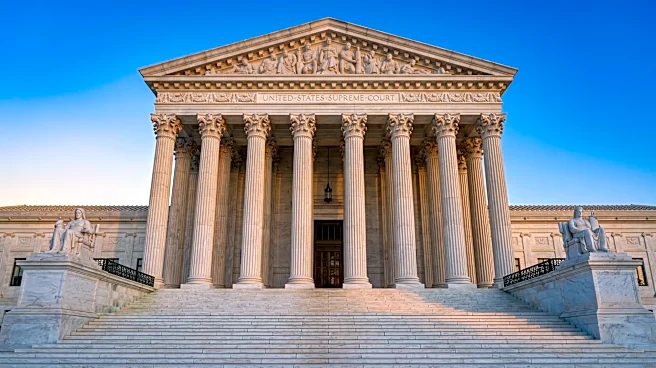
The lawsuit calls for a judge to issue a temporary halt to the rule change before its scheduled implementation. The immediate next step will be the court's decision on this injunction request. If the injunction is granted, the rule's enforcement would be paused, providing temporary relief to immigrant communities and allowing the legal challenge to proceed. If denied, the rule will go into effect, potentially leading to immediate impacts on immigrants seeking to adjust their status or apply for green cards. Regardless of the initial ruling, the legal battle is expected to be protracted, with potential appeals to higher courts. Major stakeholders, including immigrant advocacy groups, healthcare providers, and social service organizations, will closely monitor the proceedings and continue to educate affected communities about their rights and available resources. The outcome will significantly influence immigration policy and the provision of public services to immigrant families nationwide.
Beyond the Headlines
Beyond the immediate legal and policy implications, this challenge to the Public Charge Rule touches upon fundamental ethical and humanitarian concerns. Critics argue that the rule weaponizes basic human needs, forcing vulnerable individuals to choose between their well-being and their aspirations for legal residency. This approach can foster a climate of fear and distrust within immigrant communities, making them less likely to engage with public services even when eligible, which can have broader public health and social consequences. The lawsuit also highlights the concept of 'immigration animus,' suggesting that the rule's intent is not solely economic but also aims to discourage immigration and create a less welcoming environment for non-citizens. This legal fight is therefore not just about administrative law but also about the values and principles that define the U.S. approach to immigration and social welfare.