






What's Happening?
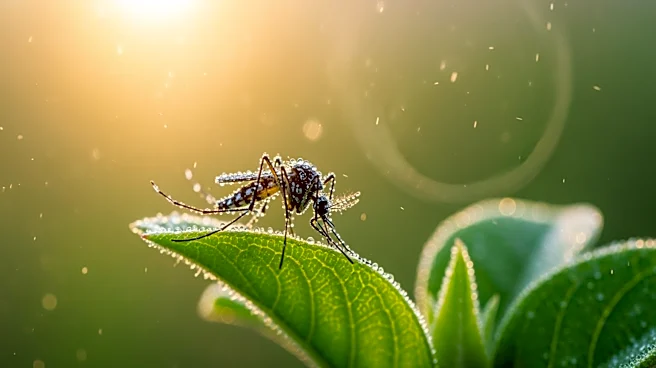
Georgia is experiencing an increase in mosquito populations due to extreme drought conditions linked to climate change. These conditions create ideal breeding grounds for mosquitoes, particularly in stagnant, nutrient-rich water found in unflushed storm
drains. The rise in mosquito populations raises concerns about the spread of diseases such as West Nile virus. Experts warn that warming temperatures are also causing mosquito species typically found south of the equator to migrate northward. Residents are advised to reduce mosquito breeding by regularly emptying containers that hold water, such as buckets and birdbaths.
Why It's Important?
The increase in mosquito populations in Georgia highlights the broader impacts of climate change on public health and ecosystems. Mosquitoes are vectors for various diseases, and their proliferation could lead to higher incidences of illnesses like West Nile virus. The migration of mosquito species due to warming temperatures indicates potential shifts in disease patterns, posing new challenges for public health officials. Addressing these issues requires coordinated efforts to manage mosquito populations and mitigate the effects of climate change.
What's Next?
Public health agencies may intensify efforts to monitor and control mosquito populations, particularly in areas prone to drought. Community education campaigns could be launched to encourage residents to eliminate standing water and reduce breeding sites. Long-term strategies may involve enhancing infrastructure to prevent water stagnation and implementing climate adaptation measures to address the root causes of these environmental changes.