







What's Happening?
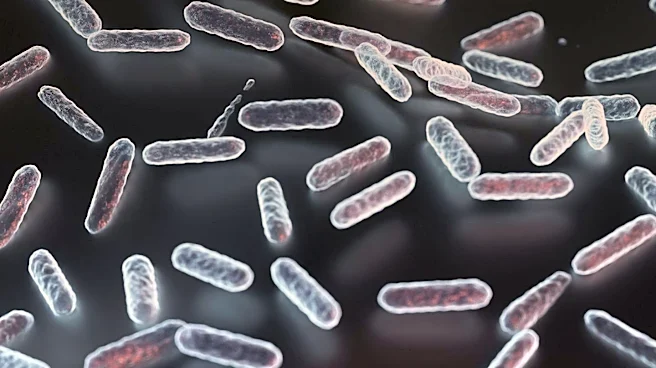
Researchers have isolated specific bacteria that may explain the 'farm effect,' where children raised on farms exhibit lower rates of asthma and allergies. The study identifies nine bacteria species, including Romboutsia timonensis and Glutamicibacter
arilaitensis, which are prevalent in farm environments. These bacteria produce metabolites that activate the AhR receptor, triggering immune responses that may prevent asthma and allergies. The findings support the 'hygiene hypothesis,' suggesting that exposure to diverse microbes in farm settings helps develop robust immune systems in children.
Why It's Important?
This discovery provides a scientific basis for the 'hygiene hypothesis,' potentially influencing public health strategies aimed at reducing childhood asthma and allergies. Understanding the role of specific bacteria in immune development could lead to new preventive measures or treatments for these conditions. The research highlights the importance of microbial exposure in early childhood, which may challenge current sanitation practices and encourage more natural interactions with diverse environments. This could have implications for urban planning, education, and healthcare policies focused on improving children's health outcomes.
What's Next?
Further research is needed to explore the exact mechanisms by which these bacteria influence immune development. Scientists aim to develop effective prevention strategies based on these findings, potentially leading to new interventions or therapies for asthma and allergies. The study's results may prompt discussions among healthcare providers, policymakers, and educators about integrating these insights into public health initiatives. Additionally, there may be interest in exploring how urban environments can mimic beneficial aspects of farm life to support children's immune health.