



What's Happening?
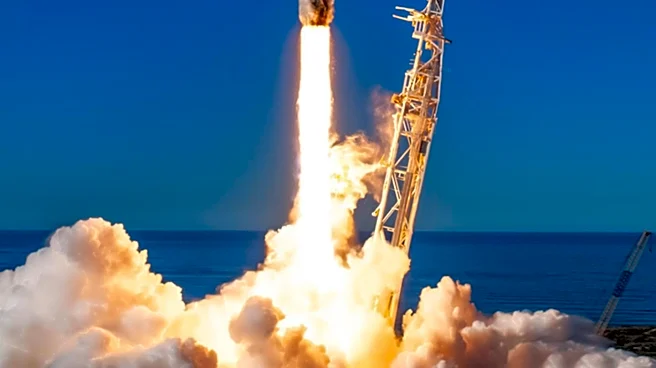
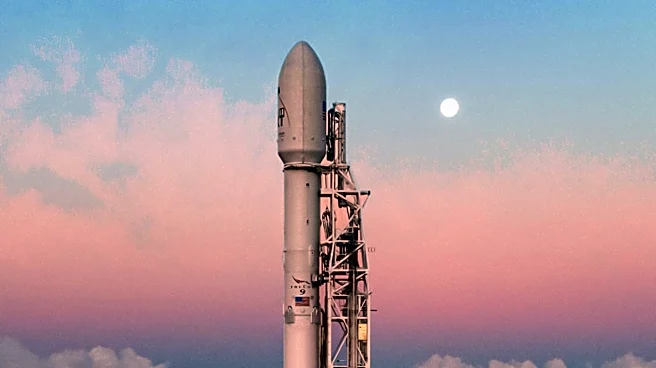
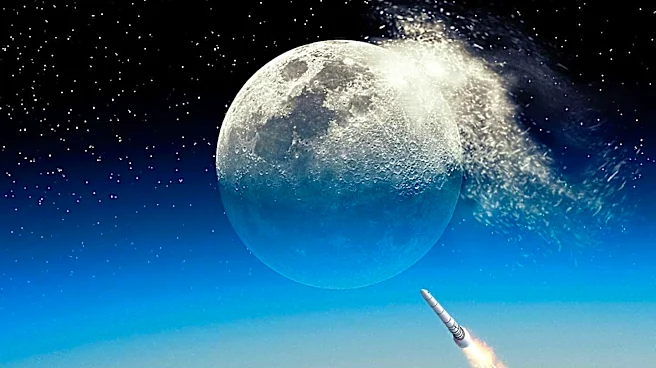
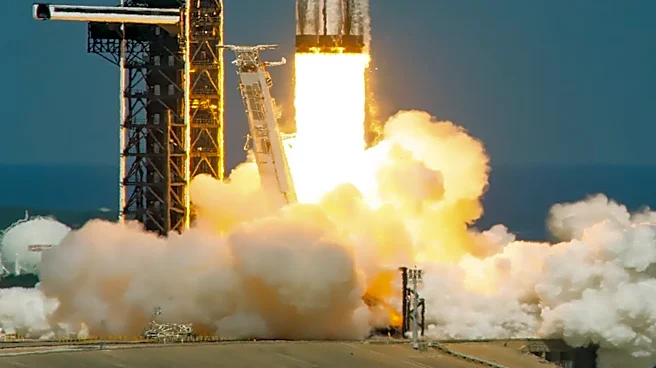
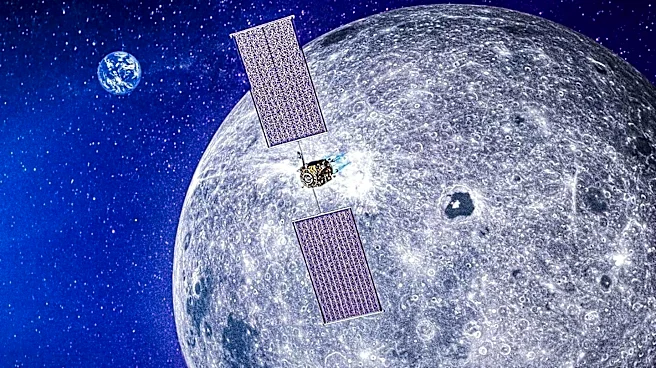
A spent SpaceX Falcon 9 upper stage impacted the Moon's surface near Einstein Crater on August 5, 2026. The vehicle, weighing four metric tons, struck at a speed of 2.43 kilometers per second. This event was confirmed by NASA researcher Kelsey Young.
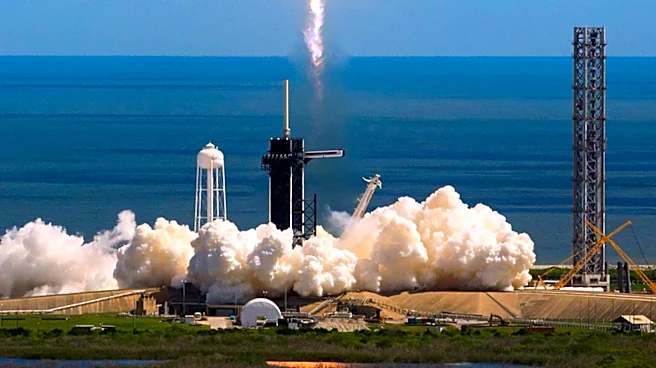
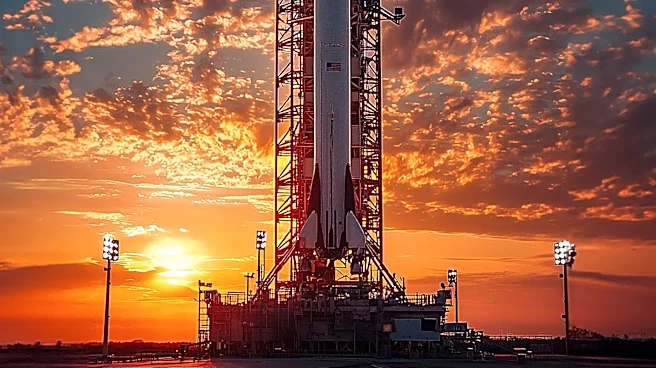
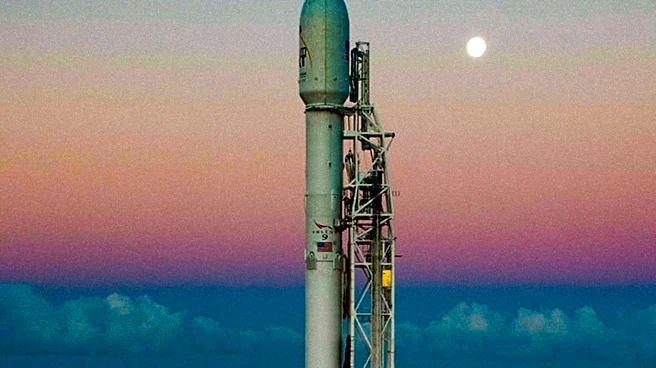
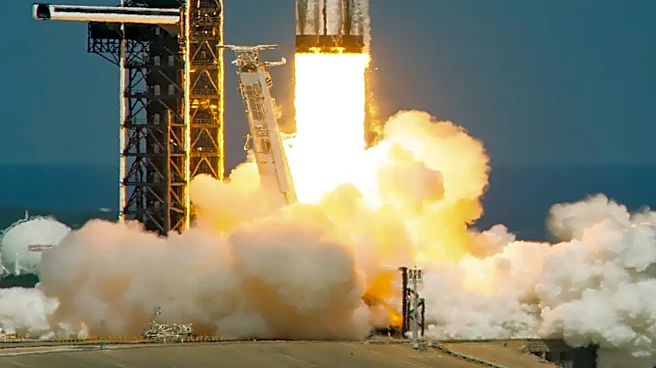
The rocket stage had been in a chaotic orbit for over 18 months after its launch on January 15, 2025, as part of NASA's Commercial Lunar Payload Services program. The collision was tracked by astronomer Bill Gray and monitored by NASA and SpaceX. Although no spacecraft captured high-resolution images of the impact, South Korea's Danuri orbiter took images of the region before and after the event. Ground-based observatories detected sodium and lithium gas plumes from the impact site.
Why It's Important?
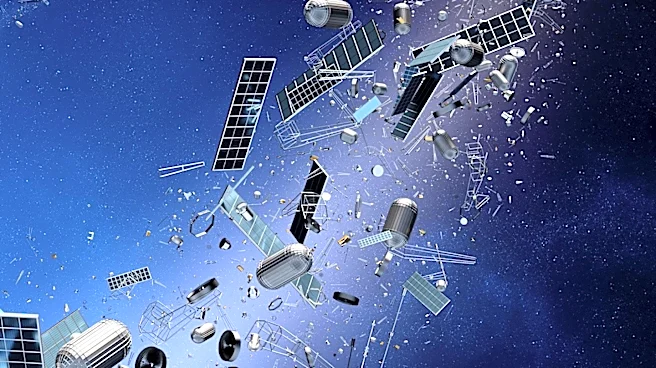
The incident highlights the growing issue of space debris and the need for formalized disposal protocols. As space activities increase, unintentional collisions like this are becoming more frequent. The impact provides valuable scientific data, similar to past intentional impacts by NASA. However, the frequency of such events raises concerns about the sustainability of space exploration and the potential for future unintended impacts. NASA and SpaceX are discussing measures to prevent similar occurrences, emphasizing the importance of responsible space operations.
What's Next?
NASA and SpaceX are expected to continue discussions on establishing protocols to manage space debris and prevent future unplanned impacts. This may involve developing new technologies or strategies for controlled disposal of spent rocket stages. The space industry may also see increased collaboration between agencies and private companies to address these challenges. The outcome of these discussions could influence future lunar missions and the overall approach to space exploration.
Beyond the Headlines
The incident underscores the ethical and environmental responsibilities of space-faring entities. As more countries and companies engage in space exploration, the need for international cooperation and regulation becomes critical. The event may prompt a reevaluation of current space policies and encourage the development of new frameworks to ensure the long-term sustainability of space activities.