





What's Happening?
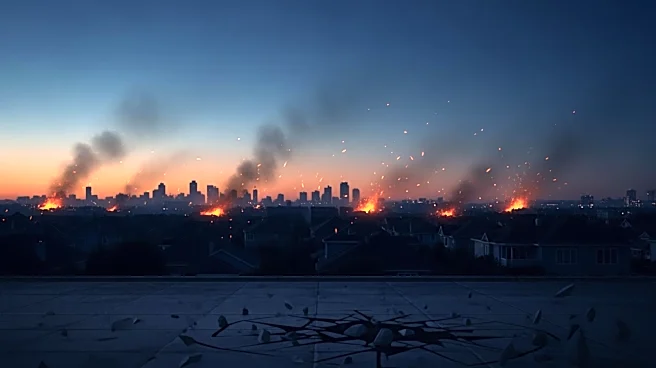
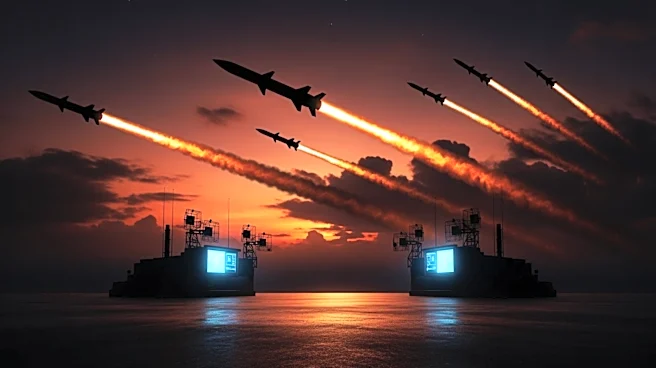
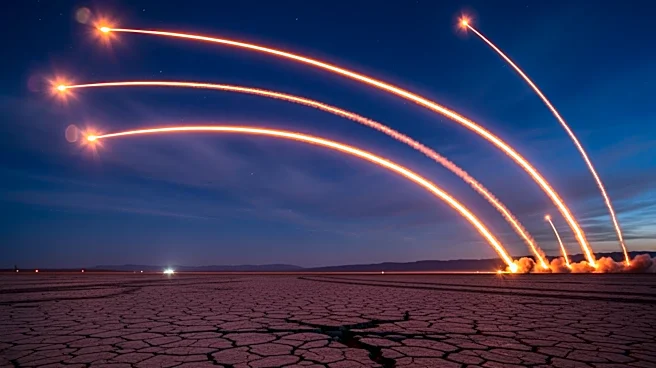
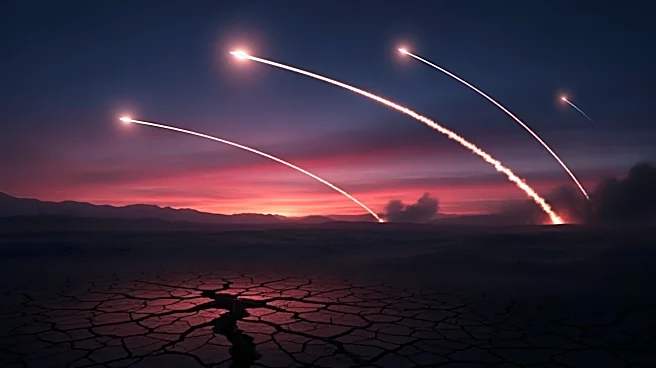
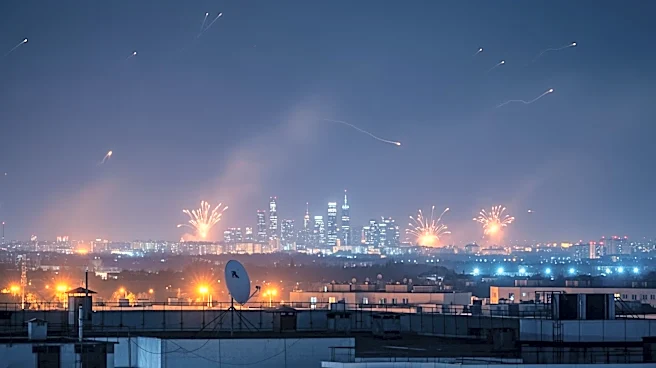
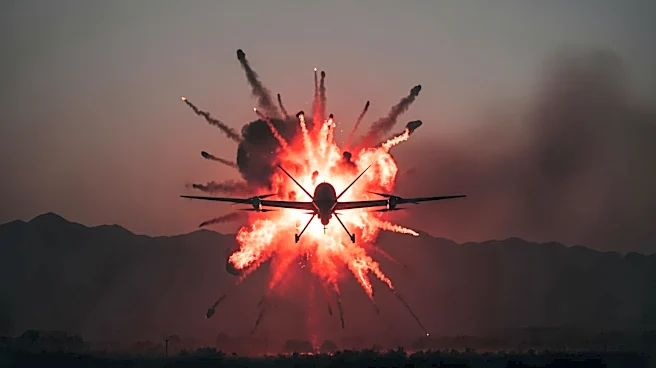
The ongoing conflict between Iran and Israel has intensified following a recent missile attack by Iran on Israeli territories. The barrage of ballistic missiles targeted the northern and central regions of Israel, prompting the country to enter 'war mode.'
This escalation has led to the closure of educational institutions and hospitals shifting to emergency operations, with non-critical patients being discharged and others moved to protected areas. The attack has raised concerns about the potential for a prolonged conflict, as both nations brace for further developments. The situation remains tense, with the international community closely monitoring the unfolding events.
Why It's Important?
The escalation of hostilities between Iran and Israel is significant due to its potential impact on regional stability in the Middle East. The conflict could disrupt global oil markets, given the strategic importance of the region. Additionally, the involvement of other regional powers could lead to a broader military confrontation, affecting international relations and security. The situation also poses a humanitarian risk, with civilians in affected areas facing threats to their safety and well-being. The international community, including the United States, may need to engage diplomatically to prevent further escalation and promote peace.
What's Next?
As the conflict unfolds, key stakeholders, including the United Nations and major world powers, may seek to mediate and de-escalate tensions. Israel's military response and Iran's subsequent actions will be critical in determining the trajectory of the conflict. Diplomatic efforts may focus on establishing a ceasefire and addressing underlying issues to prevent future hostilities. The situation could also influence U.S. foreign policy in the region, potentially affecting its alliances and strategic interests.
Beyond the Headlines
The conflict highlights the complex geopolitical dynamics of the Middle East, where historical grievances and power struggles often lead to military confrontations. It underscores the need for comprehensive peace initiatives that address the root causes of such conflicts. The situation also raises ethical questions about the impact of military actions on civilian populations and the responsibility of international actors to protect human rights and promote stability.