



What's Happening?
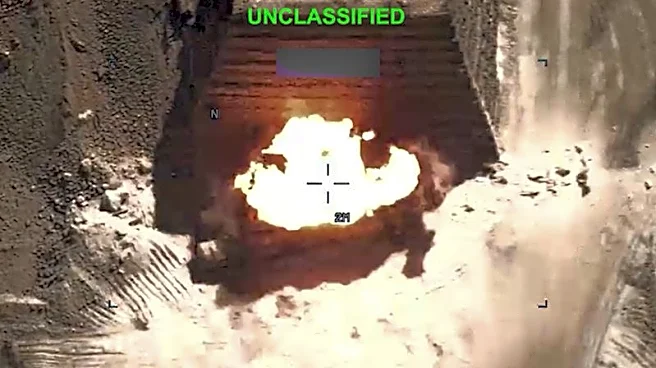
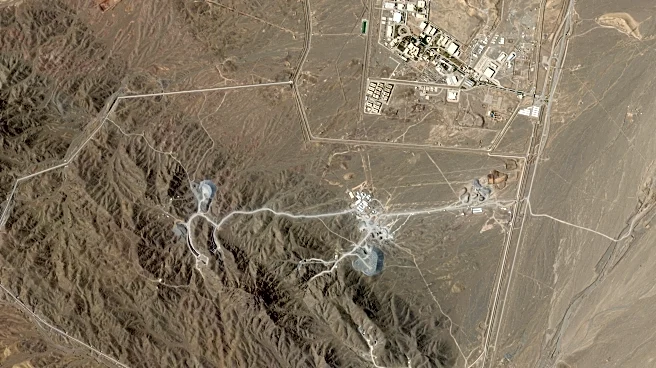
Two weeks into a renewed bombing campaign against Iran, President Donald Trump is facing limited options as U.S. intelligence agencies, including the CIA and the Defense Intelligence Agency, assess that the current military strategy is unlikely to change
Iran's negotiating position. Despite U.S. forces taking casualties and allies expressing concerns over escalating conflict, Trump maintains that Iran is desperate to end the U.S. attacks. However, diplomatic efforts are strained as Qatar, a key mediator, threatens to withdraw after Iran attacked a Qatari tanker. The strategic Strait of Hormuz remains largely vacant, with Iran asserting control and posing threats to navigation. Trump is under pressure to either escalate military involvement, which contradicts his previous promises to avoid prolonged foreign wars, or accept a status quo of ongoing strikes and counterstrikes.
Why It's Important?
The situation holds significant implications for U.S. foreign policy and military strategy. The conflict in the Strait of Hormuz, a critical passage for global oil shipments, threatens international economic stability. Trump's limited options could impact his political standing, especially with midterm elections approaching. The potential for increased military involvement risks further U.S. casualties and could strain relations with allies. Additionally, Iran's ability to disrupt regional energy infrastructure poses a threat to global energy markets. The ongoing conflict challenges the U.S.'s ability to achieve its objective of preventing Iran from obtaining nuclear capabilities, while also highlighting the complexities of military engagement without a clear diplomatic strategy.
What's Next?
President Trump faces a decision on whether to escalate military actions, potentially deploying ground troops, or to seek alternative diplomatic solutions. The U.S. may continue targeting Iranian infrastructure, but this approach risks further entrenching the conflict. Diplomatic efforts could be revitalized if Qatar remains engaged, but the loss of this mediator would complicate negotiations. The international community may increase pressure on both the U.S. and Iran to de-escalate tensions. Domestically, Trump must address growing concerns from lawmakers demanding a clear strategy, as well as manage the political fallout from potential military escalations.