

What's Happening?
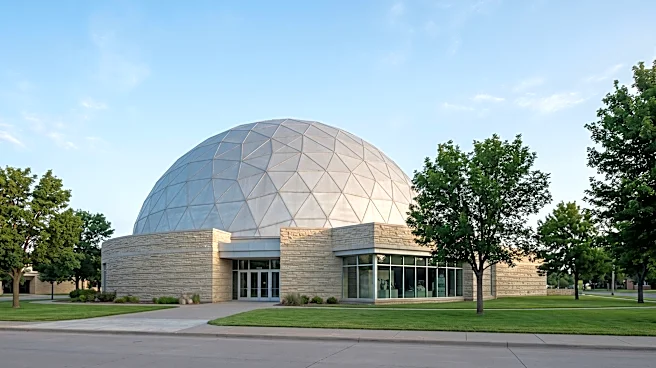
Fort Hays State University (FHSU) President Tisa Mason has confirmed meetings with five Hays community leaders to discuss the sustainable future of the Sternberg Museum of Natural History. The identified leaders are Hays City Commissioner Sandy Jacobs,
Rick and Gail Kuehl, Gary Shorman, and Grow Hays Executive Director Doug Williams. FHSU Senior Advisor for Executive Operations Eric Grospitch confirmed these meetings. This development follows earlier reports by the Hays Daily News regarding the museum's future, including questions about the involvement of museum staff and scientific experts, long-term funding from FHSU, and whether the university will definitively rule out selling specimens from the museum's permanent collections. The university did not respond to specific questions about the meetings by the newspaper's deadline, including details on when and where they occurred, whether participants met individually or as a group, and why Sternberg Museum Director Reese Barrick is not included in this specific group.
Why It's Important?
The involvement of community leaders in determining the Sternberg Museum's future is crucial for its long-term viability and public trust. The museum, a significant cultural and scientific institution in western Kansas, recently faced a planned closure that was later reversed. This uncertainty has already had tangible consequences, as Triebold Paleontology Senior Curator Anthony Maltese indicated that a newly discovered western Kansas fish fossil, previously slated for donation to Sternberg, is now being considered for another institution due to the instability. The decision by Triebold Paleontology highlights the immediate impact of leadership decisions on scientific research and specimen acquisition. The ongoing discussions aim to establish a sustainable operating model, which is vital for restoring confidence among researchers, donors, and the broader scientific community who rely on the museum for housing scientifically important specimens and supporting research.
What's Next?
The newly formed group of community leaders will explore sustainable operating models for the Sternberg Museum. Their work is expected to focus on forging external partnerships and identifying long-term opportunities to support the museum. However, key questions remain unanswered, such as how this group's efforts will integrate with the museum director, curators, staff, or internal working groups. The FHSU Foundation's 'Save Sternberg' campaign has already exceeded its initial $1 million goal, demonstrating significant community support. This fundraising success has provided the museum with valuable time, but the ultimate challenge is to translate this momentum into a stable, long-term plan that secures the museum's collections, research, and educational mission, and rebuilds confidence among stakeholders. The museum also has upcoming events, such as 'Astronomy Night' on November 13, which continues its public engagement efforts.
Beyond the Headlines
The situation at the Sternberg Museum of Natural History reflects broader challenges faced by cultural and scientific institutions in securing long-term funding and stability, particularly within university systems. The controversy surrounding the potential sale of specimens from the museum's permanent collections raises ethical and scientific concerns about the stewardship of invaluable natural heritage. As Society of Vertebrate Paleontology President Stuart Sumida noted, the responsibility for resolving this uncertainty lies with university leadership. The outcome of these discussions will not only determine the future of the Sternberg Museum but could also set a precedent for how universities manage their cultural assets and engage with their communities. The incident with the fish fossil donation underscores the delicate balance between institutional stability and the trust required from scientific partners and donors.