







What's Happening?
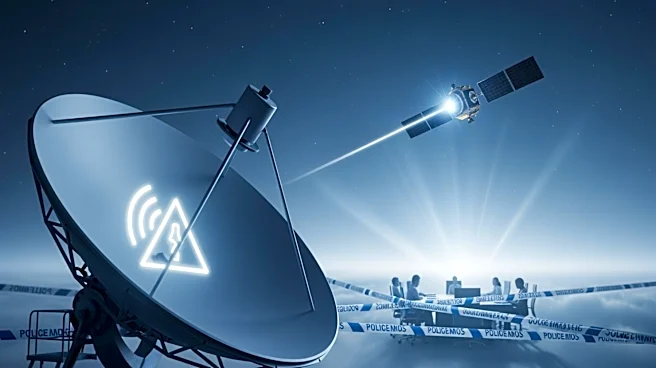
Telstra has issued a warning to the Australian federal government regarding the limitations of incoming satellite-to-mobile voice services, particularly in supporting emergency triple zero calls. The telecommunications company highlighted that low earth
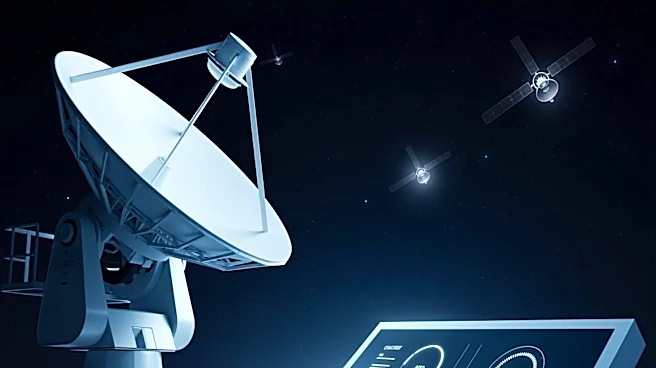
orbit (LEO) satellite constellations must reach a 'critical mass' to ensure reliable service. This warning was part of Telstra's response to a parliamentary inquiry into the universal outdoor mobile obligation (UOMO). Telstra emphasized that the integration of terrestrial and non-terrestrial networks is essential for reliable SMS, voice, and data services. The company pointed out that until LEO satellite constellations are sufficiently dense, they cannot sustain long-duration calls necessary for emergency situations. Telstra's experience with LEO satellite services has shown increased outages, impacting emergency call capabilities, particularly in remote areas. The company has paused further migration of its remote small cell mobile base stations to LEO satellite backhaul until more satellites are operational.
Why It's Important?
The warning from Telstra underscores the critical need for reliable communication infrastructure, especially for emergency services. The inability of current LEO satellite constellations to support prolonged emergency calls could have severe implications for public safety, particularly in remote areas where terrestrial networks are sparse. This situation highlights the challenges in transitioning to new technologies without compromising essential services. The delay in achieving a 'critical mass' of satellites could affect the timeline for implementing the UOMO obligations, potentially impacting policy decisions and investments in communication infrastructure. Stakeholders, including government agencies and emergency services, may need to reassess their strategies to ensure that public safety is not compromised during this technological transition.
What's Next?
Telstra has called for a delay in the start of UOMO obligations until a full ecosystem, including a critical mass of satellites and integrated networks, is ready. This delay is expected to extend until at least late 2028. In the meantime, Telstra and other mobile network operators may need to explore alternative solutions to bridge the gap in emergency call support. The government and regulatory bodies will likely need to engage with telecommunications providers to address these challenges and ensure that emergency services remain reliable. Further developments in satellite technology and network integration will be crucial in determining the future landscape of mobile communication services.