
What's Happening?
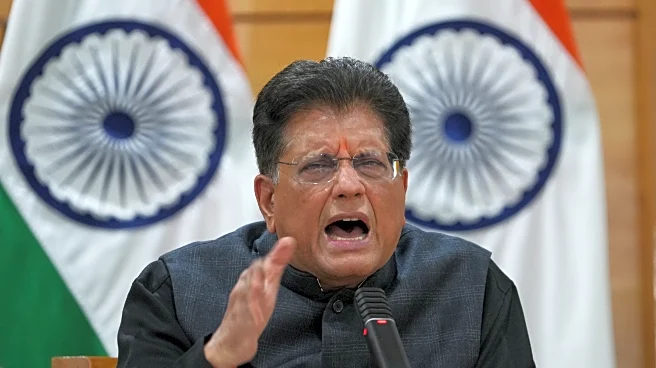
India has secured protections for its agriculture and animal husbandry sectors in a new interim trade deal with the United States, according to Finance Minister Nirmala Sitharaman. The agreement, which aims to enhance bilateral trade, includes a reduction
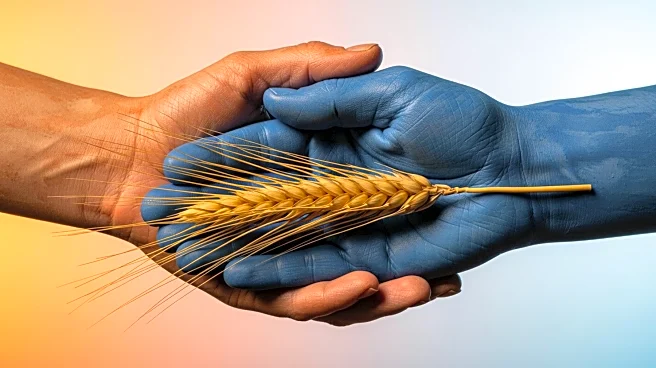
of reciprocal tariffs on Indian goods to 18%, opening up significant market opportunities in sectors like textiles, leather, and machinery. The deal ensures that sensitive agricultural and dairy products, such as maize, wheat, and dairy, remain protected, thereby supporting farmer incomes and rural livelihoods. The United States and India have also agreed to provide each other preferential market access and establish rules of origin to ensure the benefits of the agreement are shared between the two nations.
Why It's Important?
This trade deal is crucial for India as it seeks to expand its export markets while safeguarding its domestic agricultural sector. By maintaining protections for key agricultural products, India aims to prevent potential disruptions to rural economies and farmer incomes. The agreement also reflects India's strategic approach to balancing trade liberalization with domestic interests, particularly in sectors that are vital for food security and cultural identity. For the US, the deal represents an opportunity to increase its market presence in India, one of the world's largest economies, while addressing long-standing trade barriers.
What's Next?
The implementation of the trade deal will likely involve further negotiations to address non-tariff barriers and expand market access. Both countries are expected to continue discussions on a broader trade agreement that could include additional sectors. The success of this interim deal could pave the way for more comprehensive trade relations between the US and India, potentially influencing global trade dynamics. Stakeholders in both countries will be closely monitoring the impact of the agreement on domestic industries and international trade relations.