



What's Happening?
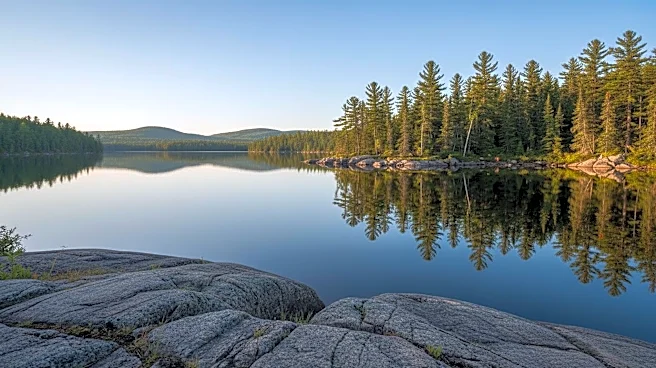
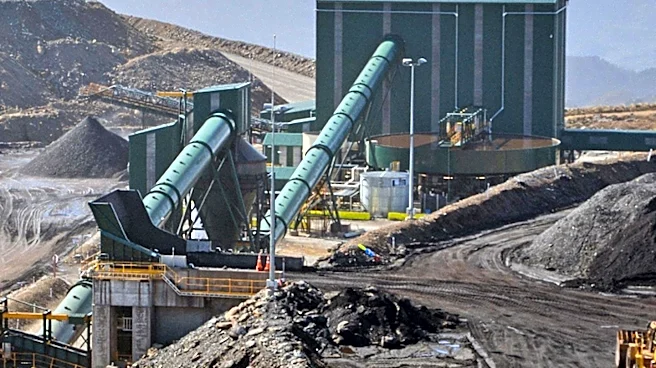
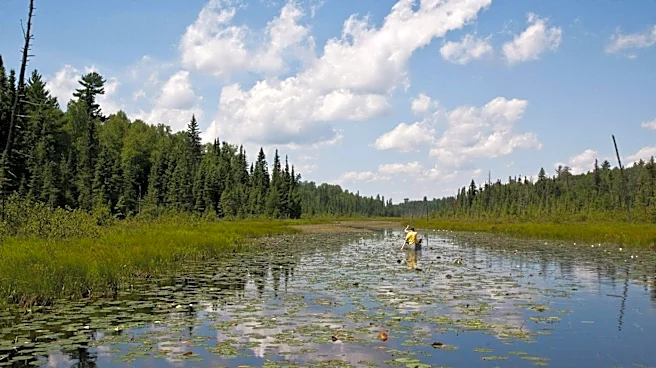
The proposed Twin Metals copper-nickel mine in northern Minnesota is a source of significant division, pitting potential union jobs and economic growth against environmental concerns for the Boundary Waters Canoe Area Wilderness. Twin Metals has invested
$650 million in exploratory drilling and planning to refine its mining strategy, aiming to extract one of the largest undeveloped copper-nickel reserves globally. These minerals are crucial for electrification technologies, including electric vehicles. Twin Metals Vice President Dean DeBeltz estimates the mine would create hundreds of union jobs and an additional 1,400 trickle-down jobs, providing family-sustaining wages and significant tax revenue for the state. However, the project's future is uncertain due to Governor Tim Walz's mining ban in the area, which Twin Metals argues "unnecessarily hinders the responsible development of Minnesota's natural resources."
Why It's Important?
This conflict in northern Minnesota encapsulates a national debate over resource extraction, economic development, and environmental preservation. The U.S. currently relies heavily on foreign sources for critical minerals like copper and nickel, making domestic mining projects like Twin Metals potentially vital for national supply chain security and the transition to a green economy. The promise of hundreds of high-paying union jobs and significant economic benefits is a powerful incentive for a region that has faced economic challenges. However, the Boundary Waters Canoe Area Wilderness is a pristine and ecologically sensitive area, and opponents, including local fishing guides and environmental advocates, fear that copper-nickel mining could lead to irreversible pollution and damage to this unique ecosystem. The outcome of this dispute could set a precedent for how the U.S. balances its economic and strategic needs for critical minerals with its commitment to environmental protection and the preservation of natural heritage sites.
What's Next?
Twin Metals remains committed to its project, despite Governor Walz's mining ban, and aims to re-enter the regulatory process, though the timeline for this is uncertain. The company views the ban as detrimental to the communities that desire the project to be given a fair evaluation. Opponents, such as local fishing guide Matthew Schultz, continue to lobby lawmakers in Washington, D.C., advocating against the mine due to potential environmental risks to the watershed. The ongoing debate will likely involve legal challenges, political pressure from both sides, and continued scientific scrutiny of the environmental impact. The state and federal governments will need to navigate the complex trade-offs between economic development, energy independence, and environmental stewardship, potentially leading to a protracted battle over the future of mining in this sensitive region.
Beyond the Headlines
The Twin Metals controversy extends beyond a simple jobs-versus-environment debate, touching upon the broader philosophical question of "if not here, then where?" regarding critical mineral extraction. While acknowledging the necessity of minerals for modern technology, opponents argue that some places, like the Boundary Waters, are too ecologically precious to risk. This highlights a global challenge: the increasing demand for resources needed for green technologies often comes with environmental costs, and the burden of these costs is frequently localized. The dispute also underscores the tension between local economic needs and broader environmental ethics, forcing a re-evaluation of what constitutes "responsible development." The long-term implications could influence future land-use policies, environmental regulations, and the development of sustainable mining practices, potentially pushing for greater innovation in recycling and alternative material sourcing to reduce reliance on new extraction in sensitive areas.