





What's Happening?
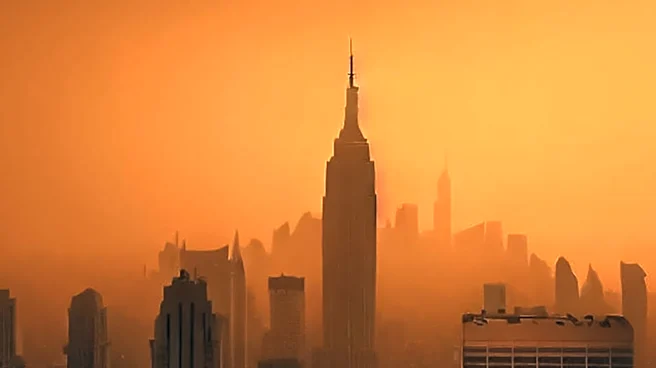
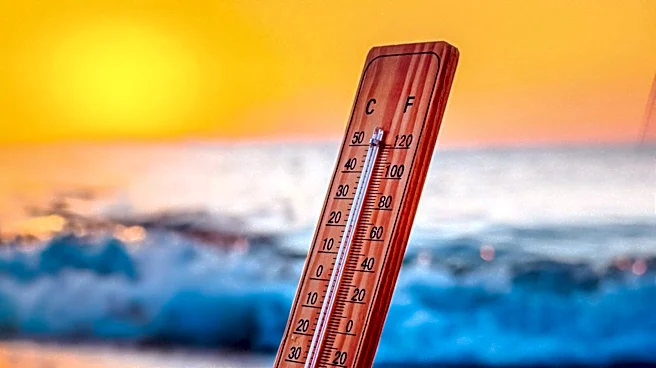
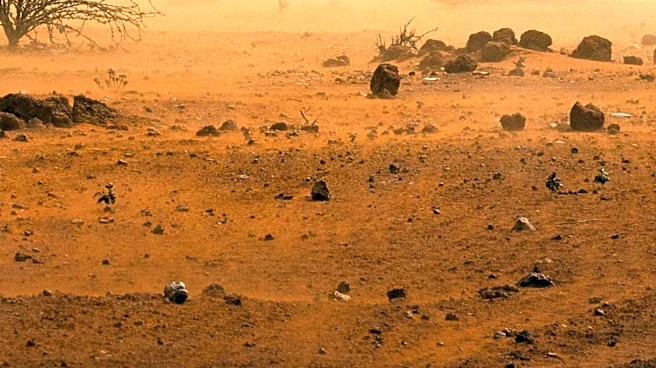
South Florida is experiencing a significant weather event as Saharan dust continues to accumulate in the region. This phenomenon has led to the issuance of heat advisories, with 'feels-like' temperatures expected to soar to 108 degrees. The dust, originating
from the Sahara Desert, travels across the Atlantic Ocean and impacts weather conditions in the southeastern United States. The presence of this dust not only contributes to higher temperatures but also results in hazy skies, which can affect air quality and visibility.
Why It's Important?
The arrival of Saharan dust in South Florida has several implications. The elevated temperatures and poor air quality can pose health risks, particularly for vulnerable populations such as the elderly, children, and those with respiratory conditions. The heat advisories serve as a warning for residents to take precautions against heat-related illnesses. Additionally, the dust can impact local ecosystems and agriculture by altering soil composition and affecting plant growth. The phenomenon also highlights the interconnectedness of global weather patterns and the far-reaching effects of natural events.
What's Next?
As the Saharan dust continues to affect South Florida, local authorities and health officials are likely to monitor air quality and temperature levels closely. Residents may be advised to limit outdoor activities during peak heat hours and to stay hydrated. Meteorologists will track the dust's movement to predict its duration and potential impact on other regions. Public health campaigns may be initiated to educate the community on how to protect themselves from the adverse effects of the heat and poor air quality.