
What's Happening?
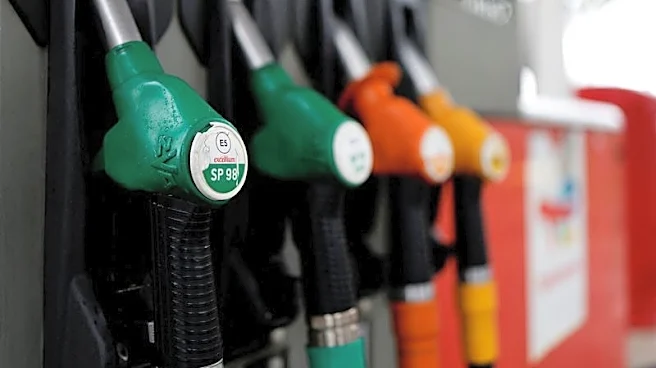
Gasoline prices in Colorado have risen by $1 compared to the previous year, driven by disruptions in international oil markets due to the ongoing conflict with Iran and tensions in the Strait of Hormuz.
This increase is affecting consumers across the state, adding to the financial strain on households and businesses.
Why It's Important?
The rise in gasoline prices in Colorado reflects broader geopolitical tensions impacting global oil supply and prices. This situation highlights the interconnectedness of global markets and the potential for international conflicts to affect domestic economies. Higher fuel costs can lead to increased transportation expenses, affecting the cost of goods and services and potentially slowing economic growth.
What's Next?
As geopolitical tensions continue, there may be calls for increased domestic energy production and investment in renewable energy sources to reduce reliance on volatile international oil markets. Policymakers may also consider measures to mitigate the impact of rising fuel costs on consumers, such as subsidies or tax relief.
Beyond the Headlines
The situation underscores the need for energy diversification and the development of sustainable energy policies to enhance energy security and reduce environmental impact. It also highlights the importance of international diplomacy in managing global energy markets and ensuring stable supply chains.