
What's Happening?
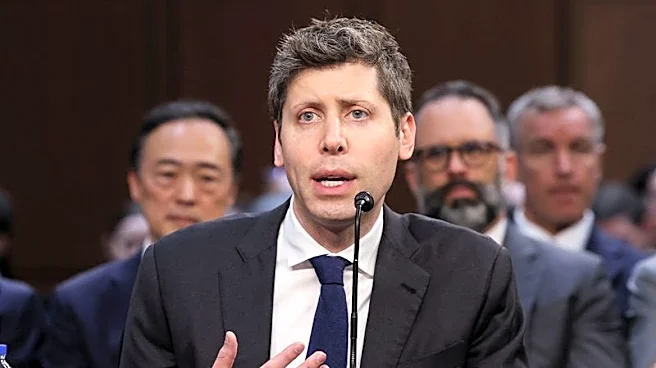
Jack Cable, a former adviser to the Cybersecurity and Infrastructure Security Agency (CISA), testified before a U.S. House subcommittee about the challenges posed by frontier AI models in cybersecurity.
Cable highlighted that AI's ability to identify and exploit software vulnerabilities has outpaced current patching capabilities. He emphasized the need for a 'secure-by-design' approach to software development, advocating for memory-safe programming languages and AI-assisted code modernization. The testimony underscored the urgency of enhancing public-private partnerships and information-sharing to address these emerging threats.
Why It's Important?
The rapid advancement of AI in identifying software vulnerabilities poses a significant threat to cybersecurity. This development could lead to increased cyberattacks, affecting critical infrastructure and private sector operations. The testimony highlights the necessity for a paradigm shift in cybersecurity strategies, moving from reactive patching to proactive prevention. Strengthening collaboration between public and private sectors is crucial to mitigate risks and protect national security. The implications of AI-driven vulnerabilities could have far-reaching effects on economic stability and public safety.
What's Next?
In response to these challenges, policymakers and industry leaders are expected to prioritize the development of secure-by-design practices. This may involve legislative action to enforce stricter cybersecurity standards and promote innovation in security technologies. The establishment of robust information-sharing frameworks between government and industry will be critical in preempting AI-driven cyber threats. Ongoing dialogue and collaboration will be essential to adapt to the evolving landscape of cybersecurity and ensure the protection of digital infrastructure.