

What's Happening?
A lawsuit stemming from a 2016 protest in Baton Rouge, Louisiana, where a police officer was injured, has led to a controversial decision by the U.S. Court of Appeals for the Fifth Circuit. The case involves DeRay Mckesson, a prominent Black Lives Matter
activist, who was sued by the officer despite not being directly involved in the incident. The court ruled that the lawsuit could proceed, suggesting that Mckesson should have anticipated potential violence at the protest. This decision has raised concerns about the implications for First Amendment rights, as it could hold activists liable for actions they did not commit or incite.
Why It's Important?
The Fifth Circuit's decision could have significant implications for the rights of protesters and activists across the United States. By potentially holding individuals accountable for unforeseen acts of violence at protests, the ruling may deter people from participating in demonstrations, thereby chilling free speech and assembly rights. This case highlights the ongoing tension between maintaining public order and protecting constitutional freedoms, with the potential to set a precedent that could affect future protests and activism.
What's Next?
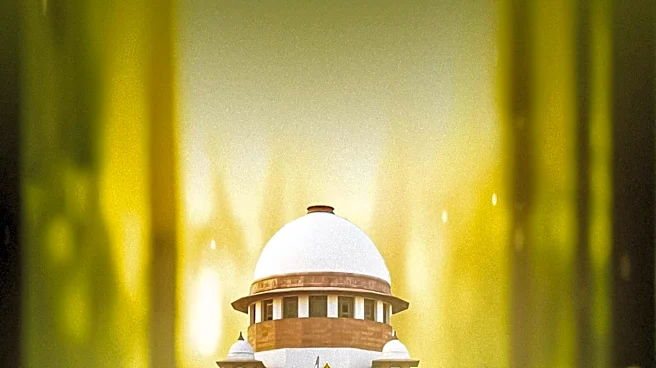
The case may be appealed to the Supreme Court, which could choose to review the Fifth Circuit's decision. If the Supreme Court decides to hear the case, it will have the opportunity to reaffirm or redefine the scope of First Amendment protections for activists. The outcome could influence how courts handle similar cases in the future, impacting the legal landscape for protest-related litigation.