





What's Happening?
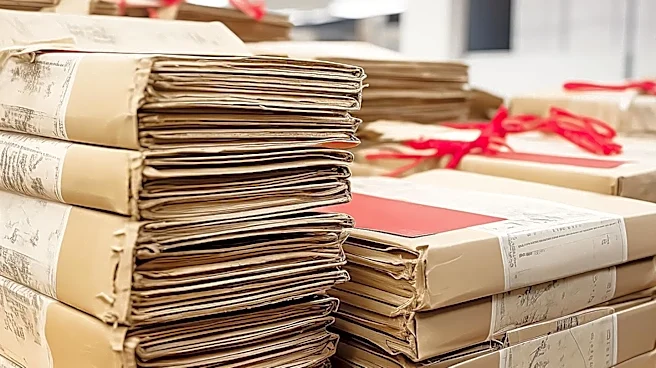
The National Archives and Records Administration (NARA) oversees 16 presidential libraries, which serve as depositories for the official papers of U.S. presidents. These libraries collectively house over 600 million pages of textual materials, nearly
20 million photographs, 20 million feet of motion picture film, over 500 terabytes of electronic data, about 750,000 objects, and nearly 100,000 hours of audio and video recordings. Thirteen of these libraries are located in purpose-built facilities, while others are managed under different arrangements. The tradition of presidential libraries began with Franklin Delano Roosevelt, who in 1939 deeded his records and a library to the federal government. These libraries not only preserve historical documents but also serve as museums that offer public access to exhibits focusing on presidential administrations.
Why It's Important?
Presidential libraries play a crucial role in preserving the historical records of U.S. presidents, ensuring that these documents are accessible for research and public education. They provide insights into the decision-making processes and historical contexts of various administrations. By maintaining these records, NARA supports transparency and accountability in government. Additionally, the libraries serve as cultural and educational resources, attracting visitors and scholars interested in U.S. history and politics. The existence of these libraries underscores the importance of preserving presidential legacies and contributes to the public's understanding of American governance and history.