





What's Happening?
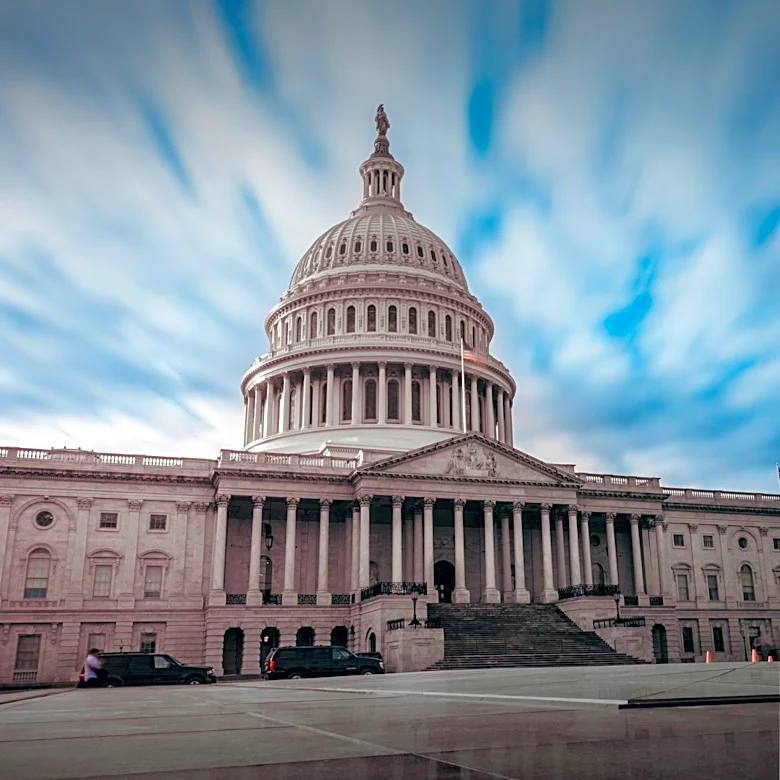
A bill co-sponsored by U.S. Senator Steve Daines and Representative Troy Downing, aimed at reauthorizing the Fort Peck Reservation Rural Water System Act, has successfully passed the U.S. Senate. The legislation is now on its way to the President's desk,
where it is anticipated to be signed into law. This reauthorization is crucial for extending the Bureau of Reclamation's authority to continue constructing vital water infrastructure within the Fort Peck Reservation and surrounding counties, including Roosevelt, Sheridan, Valley, and Daniels. The current authority is set to expire in December 2026, and the bill proposes an extension until December 2028. The Fort Peck Dry Prairie Reservation Rural Water System is one of four regional water systems in Montana, playing a significant role in providing clean and reliable water to communities in the northeastern part of the state. Senator Daines emphasized the necessity of access to safe and reliable water infrastructure, highlighting the positive impact this reauthorization will have on Montana communities. Representative Downing echoed these sentiments, underscoring the importance of keeping critical water infrastructure projects on track.
Why It's Important?
The reauthorization of the Fort Peck Reservation Rural Water System Act is critically important for ensuring continued access to clean and reliable water for numerous communities in northeastern Montana, including the Fort Peck Reservation. This legislation directly addresses a fundamental need for public health and economic stability in rural areas. Without this extension, the Bureau of Reclamation's ability to complete essential water infrastructure projects would cease, potentially leaving communities without adequate water resources or halting ongoing development. The Fort Peck Dry Prairie Rural Water System is a significant regional asset, and its sustained operation and expansion are vital for the well-being of both tribal and non-tribal populations. The bill's passage through the Senate and its expected signing into law signify a commitment to supporting rural infrastructure and addressing the basic needs of citizens. This initiative also highlights the collaborative efforts between federal and local entities to secure essential services for underserved regions, demonstrating how legislative action can directly impact the daily lives and future prospects of thousands of residents.
What's Next?
Following its passage in the U.S. Senate, the bill to reauthorize the Fort Peck Reservation Rural Water System Act will now proceed to the President's desk for signature. It is widely expected that the President will sign the legislation into law, given the bipartisan support and the critical nature of the infrastructure it addresses. Once signed, the Bureau of Reclamation will have extended authority, until December 2028, to continue the construction and development of essential water infrastructure in the Fort Peck Reservation and the specified surrounding counties. This will allow for the uninterrupted progress of projects aimed at providing clean and reliable water to these communities. Stakeholders, including the Dry Prairie Rural Water Authority and the Assiniboine and Sioux Rural Water Board, have expressed strong support for the bill, anticipating its positive impact on the region. The focus will then shift to the practical implementation of the extended authority, ensuring that the water system projects move forward efficiently to benefit the residents of northeastern Montana.
Beyond the Headlines
Beyond the immediate impact of providing clean water, the reauthorization of the Fort Peck Reservation Rural Water System Act carries deeper implications for regional development and inter-community relations. The project, described as bringing tribal and non-tribal communities together, exemplifies successful collaboration on critical infrastructure. This legislative action reinforces the principle that access to basic utilities like clean water is a fundamental right, and its provision can serve as a cornerstone for broader socio-economic development in rural and tribal areas. The extension of authority for the Bureau of Reclamation also underscores the ongoing federal role in supporting and maintaining essential services in regions that may lack the resources for such large-scale projects independently. Furthermore, the bipartisan support for this bill highlights a shared understanding across the political spectrum regarding the importance of investing in foundational infrastructure, which can foster long-term stability and improve the quality of life for residents in often-overlooked parts of the country. This initiative could serve as a model for future collaborative efforts in addressing infrastructure needs nationwide.