


What's Happening?
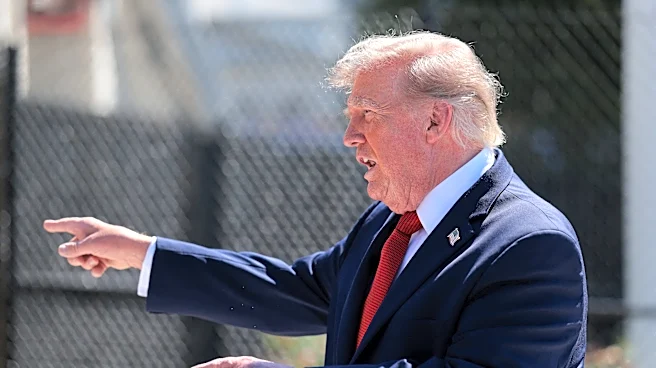
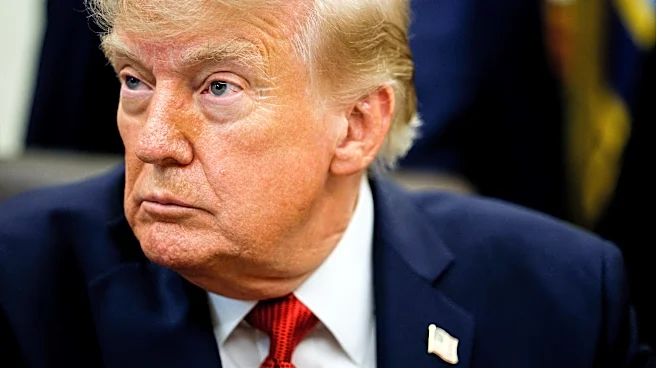
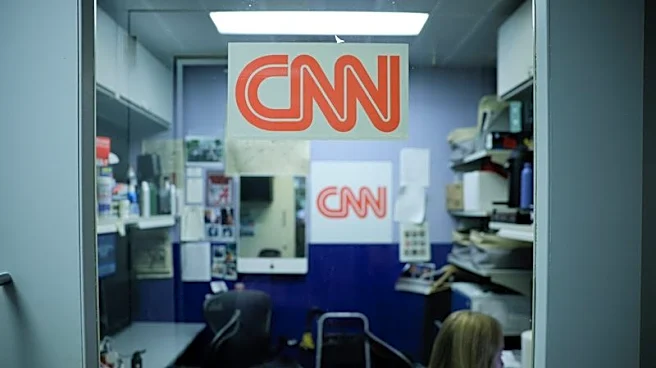
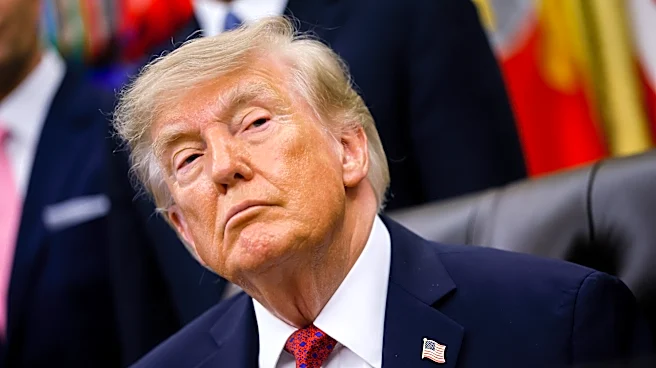
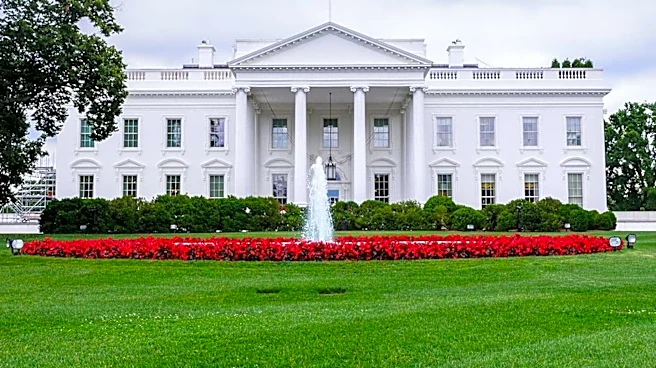
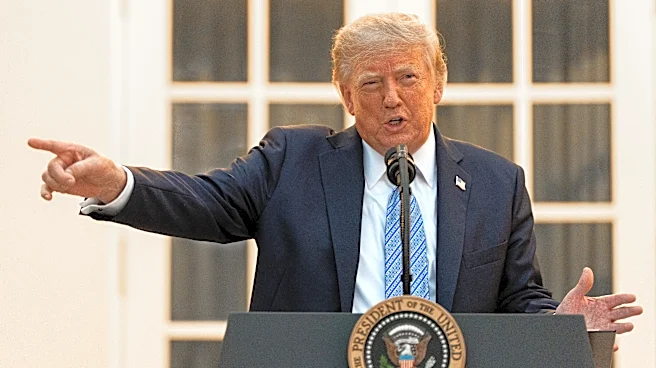
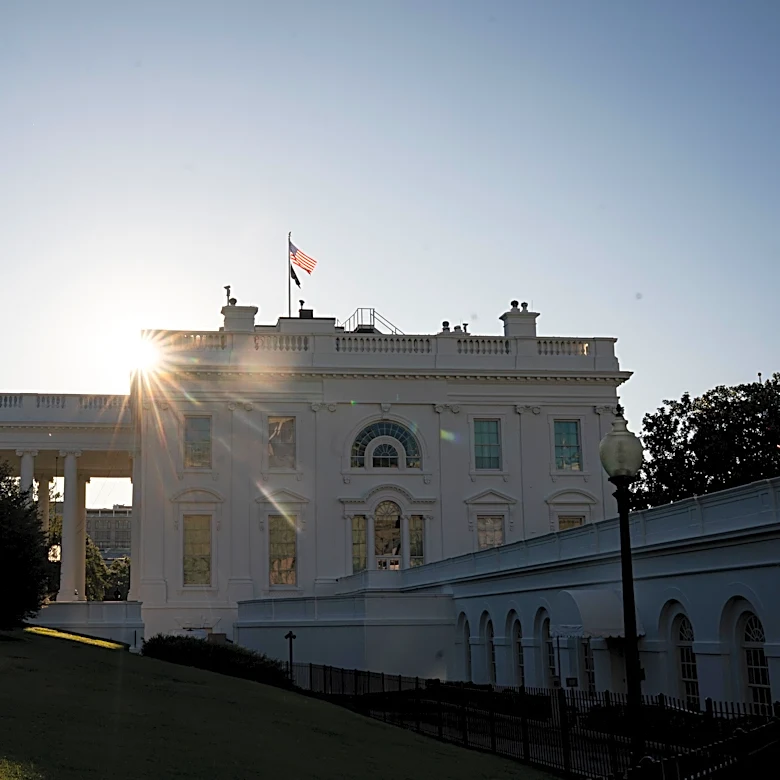
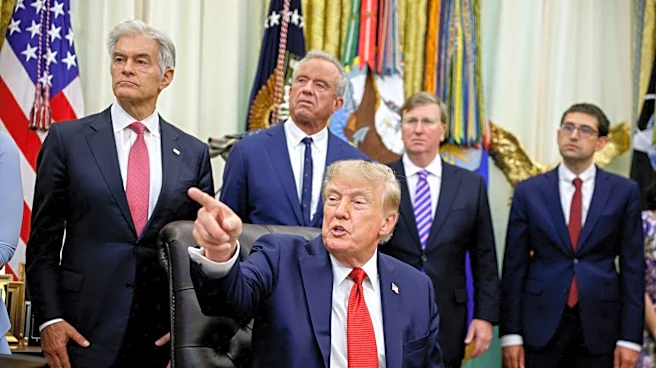
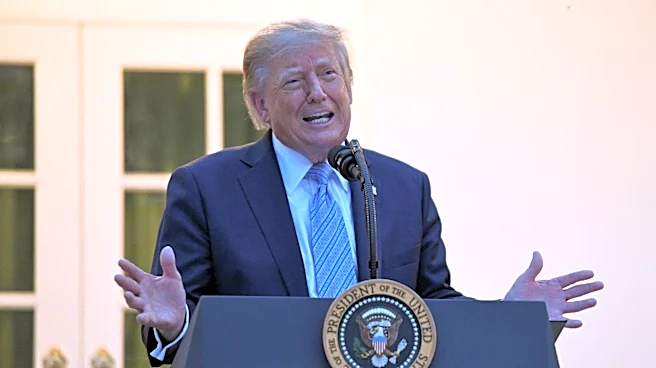
President Trump has issued an immediate ban on journalists from CNN, MS NOW, and Politico from accessing the White House. The decision was announced by President Trump on Truth Social, where he accused these media outlets of 'constantly spreading fake
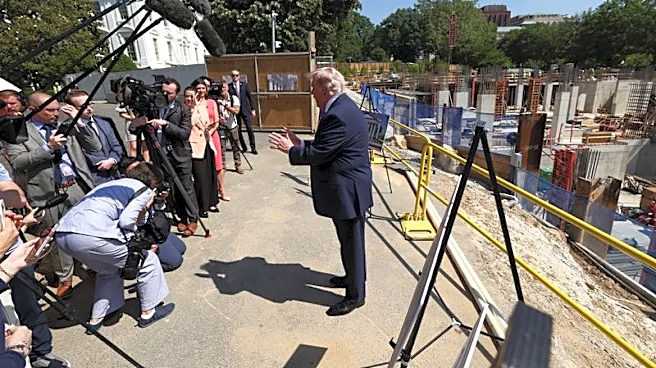
news.' During a subsequent interaction with reporters at the White House, President Trump further elaborated that he was fatigued by the 'accumulated negative coverage' his administration has received over the years. However, he did not provide specific examples or materials that led to this ban. This action marks another escalation in the ongoing tension between President Trump and certain American media organizations, which he frequently criticizes for what he perceives as biased reporting on his administration's activities. The practical implementation of this ban remains uncertain, as journalists from the affected outlets were reportedly still working on White House grounds shortly after the announcement, and no further clarifications on enforcement mechanisms have been released by the administration.
Why It's Important?
This ban is significant as it directly challenges the principles of press freedom and access to information, which are cornerstones of American democracy. Restricting access for specific media outlets, particularly without clear justification, raises concerns about transparency and the public's right to receive diverse perspectives on government actions. The move could set a precedent for future administrations to control media narratives by selectively granting or denying access, potentially undermining the role of a free press in holding power accountable. Media organizations and press freedom advocates are likely to view this as an attack on journalistic integrity and the First Amendment. The lack of specified reasons for the ban also makes it difficult for the affected outlets to address any alleged inaccuracies, further complicating the relationship between the White House and the press. This situation could lead to increased polarization in media coverage and public perception of news sources.
What's Next?
The banned media organizations, CNN and Politico, have indicated their intention to defend their rights, suggesting potential legal challenges or increased advocacy for press freedom. Constitutional law experts have already questioned the legality of such restrictions, citing the First Amendment, which protects freedom of speech and the press. It is anticipated that civil liberties groups and media watchdogs will closely monitor the situation and may offer support to the affected outlets. The administration will likely face pressure to clarify the enforcement mechanisms of the ban and provide more specific reasons for its implementation. Depending on how the situation unfolds, it could lead to a legal battle over press access to the White House, potentially resulting in court rulings that define the boundaries of presidential authority regarding media credentials. President Trump has also warned that similar measures could be extended to other media outlets he deems to be spreading false information, indicating a potential expansion of these restrictions.
Beyond the Headlines
Beyond the immediate implications for press access, this development highlights deeper issues concerning the definition of 'fake news' and the role of the presidency in shaping public discourse. The administration's broad accusation of 'fake news' without specific examples can contribute to a climate of distrust in established media institutions, potentially empowering alternative news sources and social media platforms, which may have varying standards of journalistic integrity. This situation also underscores the ongoing debate about the balance between a president's right to manage their public image and the public's right to an unfettered press. The long-term impact could include a more fragmented media landscape, where different segments of the population rely on distinct news sources, further entrenching political divisions. It also raises ethical questions about the responsibility of public officials to engage with all legitimate news organizations, even those critical of their policies, to ensure a well-informed citizenry.