
What's Happening?
Governor Josh Shapiro and Pennsylvania Agriculture Secretary Russell Redding have called for federal assistance for Pennsylvania farmers affected by a severe freeze in April. During a visit to Cherry Hill
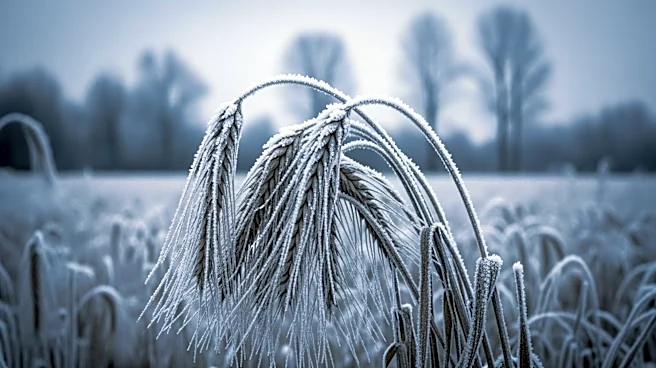
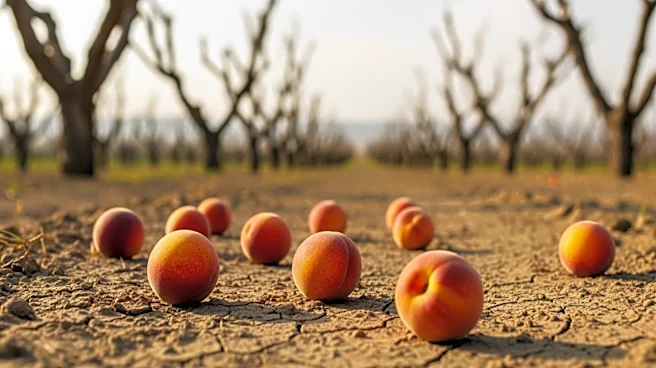
Orchards in Lancaster County, they urged the U.S. Department of Agriculture to expedite disaster assistance and damage assessments to help farmers file crop insurance claims. The state is also exploring additional funding flexibility to support affected farmers. The freeze has caused significant damage to crops, threatening the livelihoods of farmers and the stability of local economies.
Why It's Important?
The call for federal support highlights the vulnerability of the agricultural sector to extreme weather events, which can have devastating economic impacts. Pennsylvania is a leading producer of various fruits, and the freeze threatens both the state's agricultural output and its agritourism industry. The situation underscores the need for timely government intervention to support farmers and prevent long-term economic damage. The response from federal agencies will be crucial in determining the recovery trajectory for affected farmers and the broader agricultural community.
What's Next?
The federal government's response to the request for disaster assistance will be closely watched by stakeholders in the agricultural sector. If approved, the aid could provide much-needed relief to farmers, helping them recover from crop losses and maintain their operations. The state may also implement additional measures to support farmers, such as reallocating state funds or providing technical assistance. The situation may prompt discussions on improving resilience and preparedness for future weather-related challenges in agriculture.
Beyond the Headlines
The freeze and subsequent call for federal aid highlight broader issues related to climate change and its impact on agriculture. As extreme weather events become more frequent, there may be increased pressure on governments to develop comprehensive strategies to support farmers and ensure food security. The situation also raises questions about the adequacy of existing insurance and disaster relief programs in addressing the needs of farmers facing climate-related challenges.