






What's Happening?
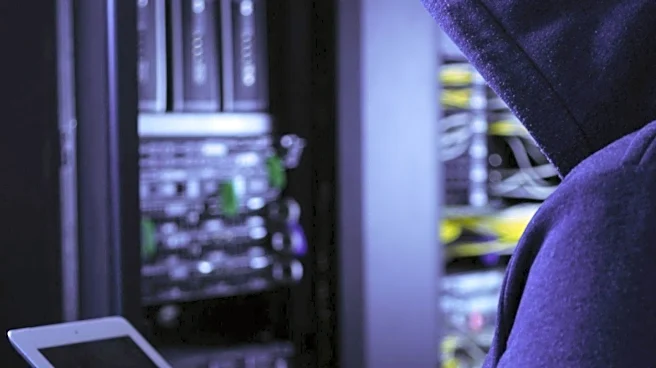
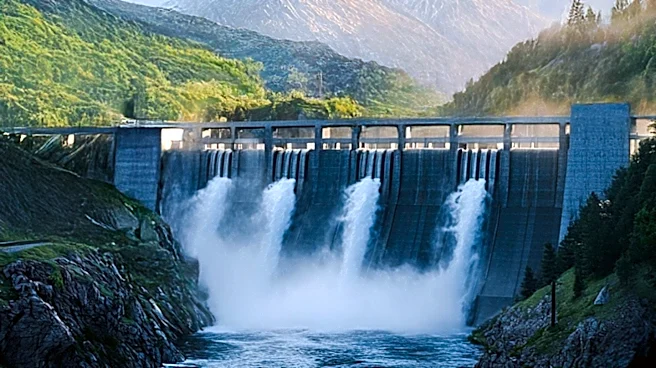
Massachusetts officials have assured the public that there are no credible threats to the state's water systems following recent cyberattacks on water utilities in Minnesota and Michigan. The Massachusetts Water Resources Authority (MWRA), which serves
over 3.1 million people and more than 5,500 companies in the Boston area, is actively monitoring the situation. The MWRA has stated that its staff is working continuously to ensure the safety and security of the water and wastewater systems. The Commonwealth Fusion Center, operated by the Massachusetts State Police, is also tracking the situation closely. These developments come after warnings from the federal government about potential threats from Iranian hackers targeting public utilities. In 2023, a similar incident occurred when Chinese state-sponsored hackers infiltrated a water and electricity plant in Littleton, Massachusetts, although law enforcement intervened before any control was gained.
Why It's Important?
The assurance from Massachusetts officials is significant as it addresses public concerns about the security of critical infrastructure. Cyberattacks on utilities can have severe consequences, potentially disrupting essential services and impacting public safety. The proactive measures taken by the MWRA and the Commonwealth Fusion Center highlight the importance of vigilance and preparedness in safeguarding infrastructure. The situation underscores the ongoing threat posed by international cyber actors targeting U.S. utilities, which could have broader implications for national security and public confidence in infrastructure resilience. The state's response also reflects the need for continuous monitoring and collaboration between local and federal agencies to mitigate such threats.
What's Next?
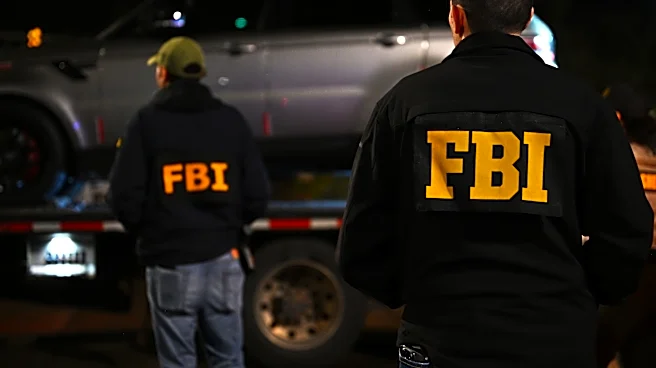
Massachusetts will continue to monitor the situation closely, with the MWRA and the Commonwealth Fusion Center maintaining their vigilance. The FBI's investigation into the source of the attacks in Minnesota and Michigan is ongoing, and any findings could influence future security measures. The state may also review and potentially enhance its cybersecurity protocols to prevent similar threats. Stakeholders, including government agencies and utility companies, are likely to engage in discussions to strengthen defenses against cyber threats. Public awareness campaigns may be initiated to inform residents about the measures in place to protect critical infrastructure.