




What's Happening?
Residents in New Mexico's oil-producing regions, particularly in Loving, are expressing significant concerns about environmental pollution from oil and gas operations and its potential health consequences. Former Lieutenant Governor Diane Denish, who
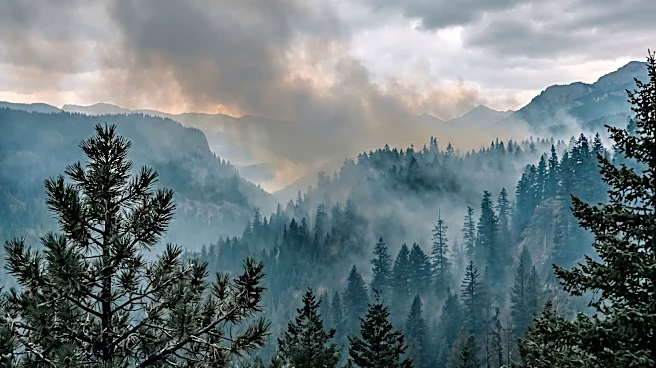
grew up in Hobbs, recalls a time when the pervasive smell of petroleum was considered the 'smell of money,' with little concern for environmental impact. However, Jackie Onsurez, an electrical engineer who returned to Loving, has observed drastic environmental changes, including constant flaring, rancid air, and a decline in wildlife. Onsurez highlights the lack of adequate air quality monitoring in Loving, despite studies showing airborne radiation plumes and ozone levels exceeding federal Clean Air Act limits. He points to a perceived increase in respiratory incidents at local schools and a higher incidence of cancer among residents, including his own family and friends. The New Mexico Environment Department only began monitoring BTEX compounds, indicators of oil and gas leaks, in late 2023 and not in Loving. While a mobile air monitoring lab is expected by the end of the year, residents feel that regulatory enforcement and monitoring have been insufficient, leading to a call for better stewardship from the oil and gas industry.
Why It's Important?
This situation in New Mexico underscores a critical environmental justice issue where communities living near industrial operations bear the brunt of pollution and its associated health risks. The lack of comprehensive air quality monitoring in areas like Loving means residents are potentially exposed to harmful carcinogens and pollutants without adequate data to assess the full extent of the problem. The reported health impacts, including increased cancer rates and respiratory issues, highlight the severe consequences of unchecked industrial emissions. The historical context provided by Diane Denish illustrates a long-standing prioritization of economic gain over environmental protection, a pattern that continues to affect current residents. The pressure from industry, as noted by Onsurez, also points to challenges in implementing and enforcing environmental regulations, potentially leaving communities vulnerable. This scenario has broader implications for public health policy, environmental regulation, and corporate accountability in regions heavily reliant on fossil fuel industries across the U.S.
What's Next?
The New Mexico Environment Department has indicated that a mobile air monitoring lab should be operational in Loving by the end of the year, funded in part by a settlement from an air pollution case against OXY USA. This development could provide crucial data on air quality, which residents like Jackie Onsurez have been advocating for. However, the effectiveness of this monitoring will depend on its scope, consistency, and the subsequent actions taken by regulatory bodies. There may be increased pressure on state agencies to enforce existing environmental rules and potentially implement new ones, especially if the monitoring reveals significant pollution levels. Community activism, as demonstrated by Onsurez's efforts, is likely to continue, pushing for greater accountability from oil and gas companies and more robust governmental oversight. The ongoing drought in New Mexico, exacerbated by climate change linked to fossil fuel burning, also suggests that water resource management and pollution control will remain critical and interconnected issues for the state.
Beyond the Headlines
The narrative from New Mexico's oil country reveals a deeper societal tension between economic prosperity derived from natural resources and the environmental and health costs borne by local communities. The historical perception of oil and gas as the 'smell of money' highlights a cultural acceptance of industrial byproducts that has evolved as scientific understanding of pollution's impact has grown. The struggle for adequate environmental monitoring and enforcement in Loving reflects a broader challenge in many industrial regions: the power imbalance between well-resourced industries and local residents. This situation also touches upon the ethical responsibility of corporations to operate sustainably and the role of government in protecting its citizens from environmental hazards. The personal stories of illness and loss due to suspected environmental factors underscore the human cost of pollution, raising questions about long-term public health strategies and the need for proactive rather than reactive environmental policies. The ongoing debate about climate change and fossil fuels further complicates these local issues, linking them to national and global environmental concerns.