

What's Happening?
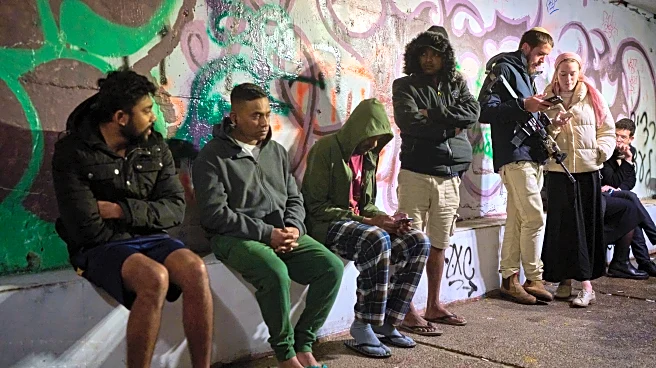
Zahra Ahmadizadeh, a player on Iran's women's national football team, has reportedly rejected an offer to remain in Australia, choosing instead to return to Iran. This decision comes after Australia granted humanitarian visas to seven members of the Iranian
delegation during the 2026 AFC Women's Asian Cup. These members sought asylum, fearing persecution upon their return to Iran after they did not sing the national anthem at a match. While five of the seven later withdrew their asylum claims, Ahmadizadeh and another member initially remained in Australia. Ahmadizadeh's decision to return was reportedly influenced by her sense of duty to her homeland, as she expressed a desire to stand 'in the street' beside her fellow Iranians. The statement was published by Iran's semi-official Tasnim News Agency, although the exact circumstances of the offer and her decision remain unclear.
Why It's Important?
Ahmadizadeh's decision highlights the complex interplay between sports and politics, particularly in countries with significant political tensions. Her choice to return to Iran, despite the offer of asylum, underscores the personal and nationalistic pressures athletes may face. This situation also reflects broader issues of political dissent and human rights in Iran, where athletes and public figures often become symbols of resistance or compliance. The international attention on this case may influence how other countries handle similar asylum requests from athletes facing political persecution. Additionally, it raises questions about the role of sports as a platform for political expression and the responsibilities of host countries in providing refuge to those at risk.
What's Next?
The situation may prompt further scrutiny of Iran's treatment of athletes and dissenters, potentially leading to increased international pressure on the Iranian government. It could also influence future decisions by athletes in similar situations, weighing the risks of returning home against the challenges of seeking asylum abroad. The international sports community may need to address how to support athletes facing political persecution, possibly leading to new policies or support systems. Additionally, the Iranian government's response to Ahmadizadeh's return could set a precedent for how it handles dissent among its citizens, particularly those in the public eye.