








What's Happening?
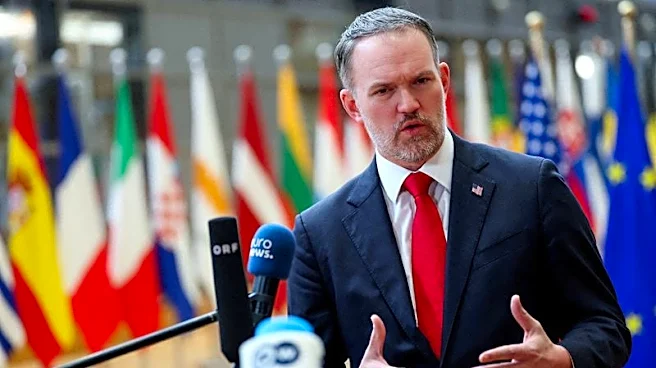
The U.S. Trade Representative has proposed new tariffs on imports from 60 economies, citing their failure to ban goods made with forced labor. The proposed tariffs, under Section 301 of the Trade Act of 1974, include a 10% duty for economies with partial
prohibitions and 12.5% for others. The action targets major trading partners, including China, the EU, and Japan, and aims to address the competitive disadvantage faced by American workers. Public comments are due by July 6, with hearings scheduled for July 7.
Why It's Important?
The proposed tariffs underscore the U.S. administration's commitment to addressing forced labor issues and protecting domestic industries. By targeting countries that allegedly fail to enforce bans on forced labor, the U.S. seeks to create a fairer competitive environment for American workers. However, the tariffs could lead to tensions with key trading partners and impact global trade relations. The move also highlights the administration's use of tariffs as a tool for economic policy, despite potential legal challenges and international repercussions.
What's Next?
The proposed tariffs will undergo a public comment period and review process, with hearings scheduled for July. The outcome of these proceedings will determine the implementation of the tariffs and their impact on international trade relations. Affected countries may respond with diplomatic negotiations or retaliatory measures. The U.S. administration may also pursue further investigations into trade practices, potentially leading to additional tariffs or policy adjustments.